
09 Mar Web3 & The Decentralized Internet: A New Era of Digital Ownership
For many years, we’ve been using the internet without owning anything on it. We make content, upload pictures, build audiences, and share opinions, but the platforms often control the rules, data and even the profits. Accounts get suspended and algorithms change suddenly. Data gets leaked.. As a result, users are left with little control.
This is the main problem Web3 is trying to solve. Web3 is not another buzzword; It represents a change in how the internet operates. Moving from controlled to owned. Of companies owning your digital identity and content, Web3 aims to give that ownership back to you.
What is Web3?
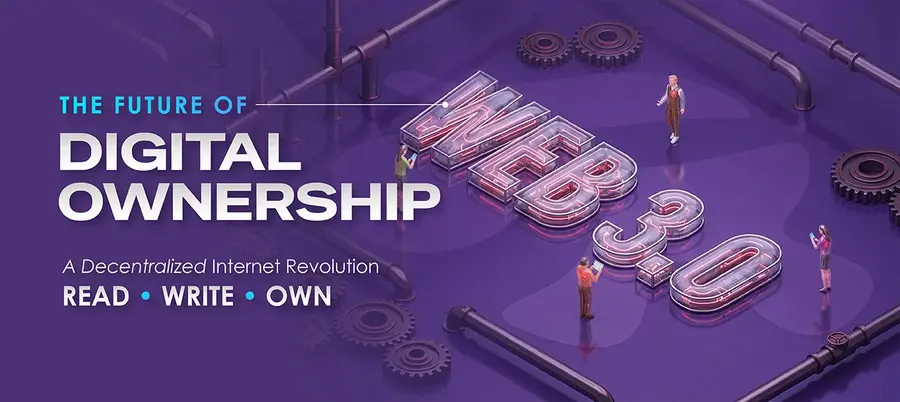
In words, Web3 is the next step of the internet, built on blockchain technology. It allows users to own their data, digital assets and online identity without relying on controlled platforms. If Web1 was just “read” and Web2 became “read and write ” then Web3 is “read, write and own.” Ownership is the difference.
Web3 runs on blockchain networks, smart contracts and digital wallets. These technologies remove the need for intermediaries and enable interactions that are transparent and secure.
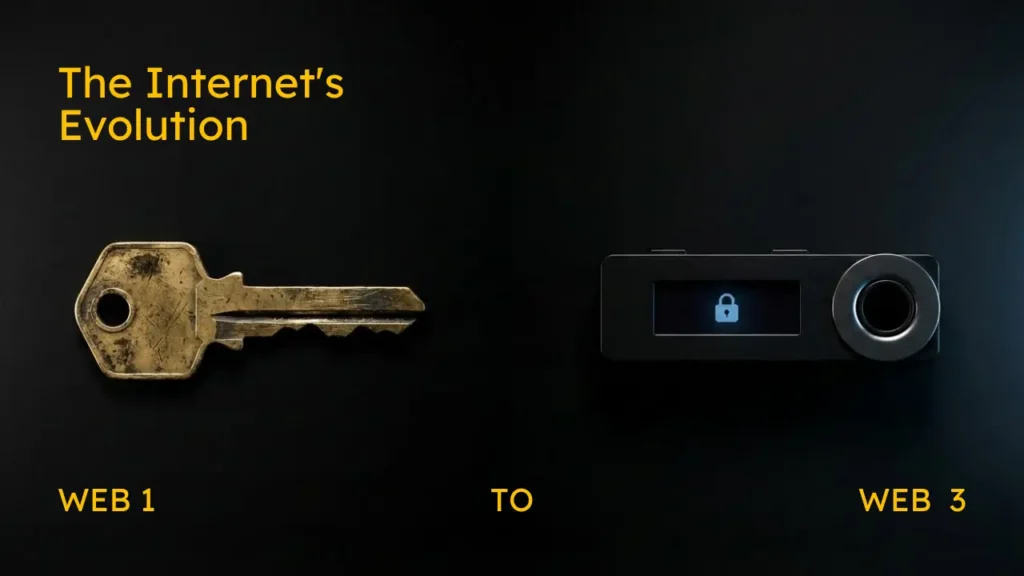
From Web1 to Web3: The Internet’s Journey
To better understand Web3, it’s helpful to look at how the internet evolved.
Web1 (1990s-2000s) was static. Users could only read information and couldn’t interact much. Websites were simple and informational.
Web2 (mid-2000s-today) introduced media, user-generated content, and online communities. Platforms like Facebook and YouTube let users create and share content. However, these platforms control data, advertising, and monetization.
Now comes Web3, where users not only create content but also own it. Instead of relying on centralized servers, data is stored across distributed networks. This reduces points of failure and limits platform control.
How Web3 Actually Works
At its core, Web3 depends on several important components:
1. Blockchain: A distributed ledger that records transactions across multiple computers. No single entity has control over it.
2. Smart Contracts: Self-executing code stored on the blockchain. These contracts automatically perform actions when certain conditions are met. They do not require a middleman.
3. Tokens: Represents value, ownership or access. They are essential for powering decentralized ecosystems.
4. Wallets: Instead of using email and password, users connect through crypto wallets. These wallets act as a user’s digital identity.
5. Decentralized Storage: Instead of storing data on centralized servers, information is stored across a distributed network of computers.
Together these components create a system called dApps (Decentralized Applications) where trust is built into the technology itself.
What Does Web3 Architecture Look Like?
From a structure perspective, Web3 applications (often called dApps) usually include:
- A frontend interface (what users see)
- A wallet connection layer
- Contracts that handle logic
- A blockchain network that validates transactions
- Decentralized storage for data
Unlike apps that rely on centralized cloud servers Web3 apps interact directly with blockchain networks. This structure removes control but introduces new design challenges. Especially regarding user experience.
Real-World Applications of Web3
Web3 is already moving beyond theory. Let’s explore where it’s making an impact.

1. Finance (DeFi & Tokenization): Decentralized Finance (DeFi) lets users lend, borrow and trade without banks. Platforms built on networks like Ethereum enable peer-to-peer services. Another major trend is Real-World Asset (RWA) tokenization. Turning assets like real estate or bonds into digital tokens that can be traded globally. This could reshape how investments work.
2. Creator Economy: In Web2, creators rely heavily on platforms for revenue. Web3 introduces NFTs and token-based communities allowing creators to earn directly from their audience. Royalties can be programmed into contracts. That means artists get paid every time their work is resold. Ownership becomes programmable.

3. Gaming: Traditional games sell in-game items that players never truly own. In Web3 gaming assets can exist on-chain. Players can trade, sell or move assets across ecosystems. The concept is shifting from “play-to-earn” toward “play-to-own.”
4. Supply Chain Transparency: Blockchain tracking helps verify authenticity and prevent fraud. Products can be traced from origin to customer increasing trust and reducing counterfeiting.

5. Digital Identity: Self-sovereign identity lets users control credentials without exposing unnecessary data. Sharing full documents allows users to verify specific information cryptographically.
Web3 vs Web2: What’s the Real Difference?
The biggest differences come down to:
- Ownership: Users own assets in Web3.
- Control: Governance can be community-driven.
- Monetization: Peer-to-peer without platform cuts.
- Transparency: Blockchain records are publicly verifiable.
- Privacy: Users decide what data to share.
However, Web3 is not perfect.
Challenges Holding Web3 Back
Despite its promise Web3 faces hurdles:
- High transaction fees on some networks
- Scalability issues
- Complex user interfaces
- Uncertainty
- Smart contract vulnerabilities
Security is improving, but the ecosystem is still maturing. Mass adoption will depend heavily on simplifying user experience.
What’s Trending in 2026?
Web3 is continuing to evolve. Some emerging trends include:
- Integration of AI with decentralized systems
- Growth of Zero-Knowledge (ZK) proofs for privacy
- Rise of decentralized social networks
- Government exploring digital currencies
- Expansion of real-world asset tokenization
- Simplified Wallet-less onboarding experiences
We are also seeing Web3 merge with cloud and edge computing infrastructures making decentralized systems more scalable.
The Future of Web3
Web3 is still in its growing phase. Its impact is already visible, with expanding beyond cryptocurrency into areas like identity, finance, gaming and even AI. As people become more aware of data privacy and digital ownership, the demand for such solutions is increasing. While challenges like regulation and user experience still exist, improvements are happening quickly. The future will likely be a combination of Web2’s convenience and Web3’s ownership-driven model.
Frequently Asked Question
1. What is Web3?
Web3 is the next generation of the internet built on blockchain technology. It allows users to own their data, digital assets, and online identity instead of relying on centralized platforms.
2. How is Web3 different from Web2?
Web2 platforms control user data and monetization, while Web3 gives ownership and control back to users through decentralized networks.
3. What technologies power Web3?
Web3 runs on blockchain networks, smart contracts, digital tokens, and crypto wallets that enable secure, peer-to-peer interactions.
4. Is Web3 only about cryptocurrency?
No. While cryptocurrency is part of it, Web3 also includes decentralized finance (DeFi), NFTs, digital identity, gaming, and more.
5. Is Web3 the future of the internet?
Web3 is still evolving, but it is shaping a more transparent and ownership-driven internet. It may work alongside Web2 in a hybrid model.
Conclusion
Web3 represents a transformation from platform-controlled internet to user-owned internet. It offers a new model where users have more control over their data, assets, and digital identity. Although it is still evolving, the idea of digital ownership is becoming more important than ever. The internet is changing again — and this time, it’s moving toward empowerment and transparency.
Sorry, the comment form is closed at this time.