

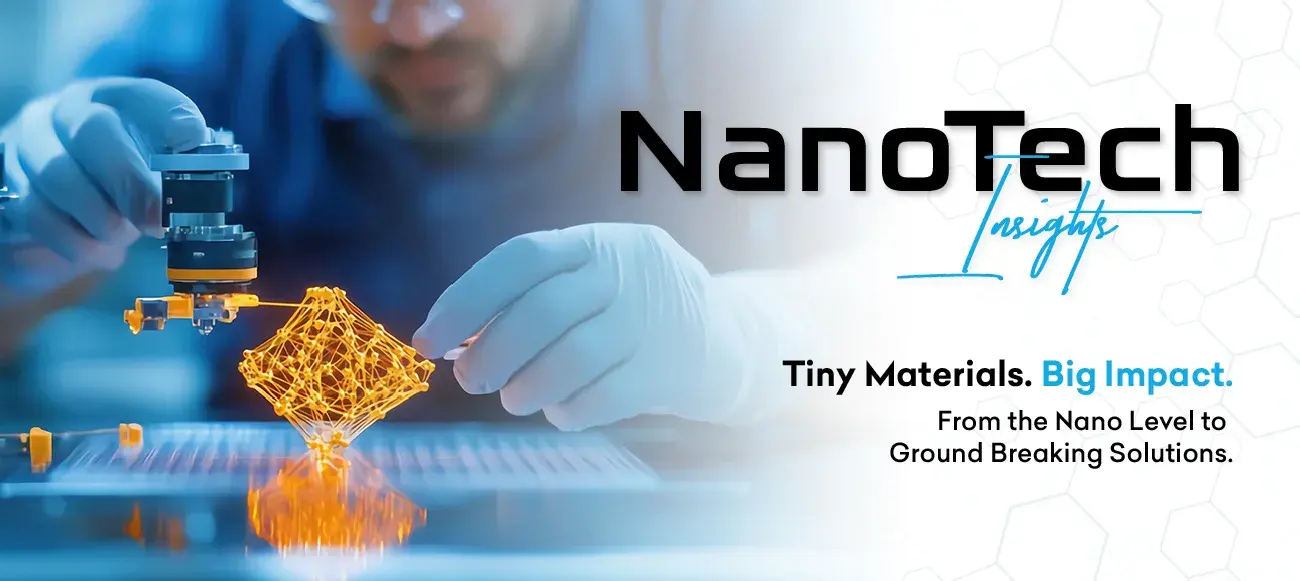
01 Jan NanoTech Insights: A journey towards Tiny Things
An Introduction
Nanotechnology is the science, engineering and technology of manipulating atoms, molecules and supramolecular structures with extremely small scales — typically between 1 to 100 nanometers. At this tiny size, materials can show unique physical, chemical, and biological properties that are different from their larger forms. Scientists use nanotechnology to design, manipulate, and apply these tiny structures to improve products and solve complex issues.
What is Nanotechnology?
Nanotechnology refers to the advanced technology that deals with matter at the atomic and molecular level to create smarter, stronger, and more efficient materials and devices. By controlling materials at the nanoscale, nanotechnology enables innovations across industries such as healthcare, electronics, energy, and manufacturing. From targeted drug delivery and high-performance electronics to lightweight materials and cleaner energy solutions, nanotechnology is shaping the future by making everyday technologies more precise, powerful, and sustainable.
Birth of Nanotechnology

Nanotechnology traces the development of the concept in 1959, when physicist Richard Feynman presented his famous lecture “There’s Plenty of Room at the Bottom”. In this talk, he described the idea of manipulating materials at the atomic level. Although the term nanotechnology had not yet been used, his vision laid the foundation for the field. Later advancements in scientific tools and research turned this concept into reality, leading to the development of nanotechnology as a powerful technology used today in medicine, electronics, energy, and materials science.
Pioneer of NanoTechnology – Richard Feynman
How nanotechnology works?
Nanotechnology works by controlling and manipulating materials at the nanoscale, usually between 1 and 100 nanometers. At this tiny size, materials show unique properties such as increased strength, better conductivity, and higher chemical reactivity. Scientists design and arrange atoms and molecules using specialized tools to create nanomaterials with specific functions. These materials are then used to improve performance in areas like medicine, electronics, energy, and manufacturing.
Types of nanotechnology
Nanotechnology is a broad field, and its applications and research can be grouped into several main types based on how it is used. The major types of nanotechnology include:
1. Nanomaterials:
Nanomaterials are materials engineered at the nanoscale to have unique properties like enhanced strength, flexibility, or chemical reactivity. They are widely used in coatings, construction materials, electronics, and textiles to make products more durable, lightweight, and efficient.
2. Nanoelectronics:
Nanoelectronics focuses on designing extremely small electronic components using nanotechnology. This allows for faster, smaller, and more energy efficient devices such as processors, memory chips, and sensors found in smartphones, computers, and wearable devices.
3. Nano-optics:
Nano-optics studies the behavior of light at the nanoscale and how it interacts with nanomaterials. This type of nanotechnology improves displays, cameras, optical sensors, and solar cells by controlling light more precisely, leading to better performance and energy efficiency.
4. Nanomedicine:
Nanomedicine applies nanotechnology in healthcare to diagnose and treat diseases more effectively. For example, nanoparticles can deliver drugs directly to targeted cells, reducing side effects, or be used in imaging and diagnostic tools to detect illnesses early.
5. Nanoenergy:
Nanoenergy involves using nanotechnology to enhance energy production, storage, and efficiency. Applications include advanced batteries, solar panels, and fuel cells that store more energy, reduce losses, and provide cleaner, sustainable energy solutions.
6. Nanorobotics:
Nanorobotics is the study and creation of tiny machines at the nanoscale capable of performing precise tasks. In medicine, nanorobots could be used in the future to deliver drugs, repair tissues, or target harmful cells directly within the body.
Challenges faced by Nanotechnology
With driving research, the technology also faces several challenges, including:
Health and Safety Risks:
Nanoparticles are very small and can easily enter the human body through breathing, skin contact, or ingestion. Their long-term effects on human health are not fully known, which raises safety concerns for workers and consumers.
Environmental Impact:
Nanomaterials released into the environment may affect soil, water, and living organisms. Since they behave differently at the nanoscale, their impact on ecosystems is still being studied and is not yet completely understood.
High Cost and Complex Manufacturing:
Producing nanomaterials and nano-devices requires advanced equipment and highly skilled professionals. This makes nanotechnology expensive and difficult to scale for mass production.
Regulation and Standardization Issues:
There are limited global rules and standards for the safe use, testing, and disposal of nanomaterials. This makes it challenging to control risks and ensure safe applications.
Technical Limitations:
Working at the nanoscale is extremely complex. Precise control, stability of nanomaterials, and integration with existing systems remain difficult tasks for researchers.
Lastly, Nanotechnology is a rapidly growing field that has the potential to transform industries such as healthcare, electronics, energy, and environmental science. By working at the nanoscale, it enables the development of smarter, stronger, and more efficient materials and technologies. However, despite its many researches, nanotechnology also faces challenges related to health safety, environmental impact, high costs, and regulatory issues. Addressing these challenges through responsible research, proper regulations, and continued innovation is essential. With careful development, nanotechnology holds great promise for creating sustainable solutions and improving the quality of life in the future.
Want to know more: Nano Tech Insights - Series 2
Sorry, the comment form is closed at this time.