

26 Mar Spatial Computing: From the Screen to the Real World
Introduction: A World Beyond the Screen
For the past several decades, the only way we could interact with the world of technology was through the screen of a phone, computer, or television. However, this is now changing, as we are now seeing the world of technology move beyond the flat screen into the real world around people, all thanks to the concept of spatial computing.
Instead of just looking at the digital world, people are now able to interact with it in a three-dimensional space, whether it is putting objects in the living room or running complex simulations in the real world, spatial computing is transforming how we experience technology.
What is spatial computing?
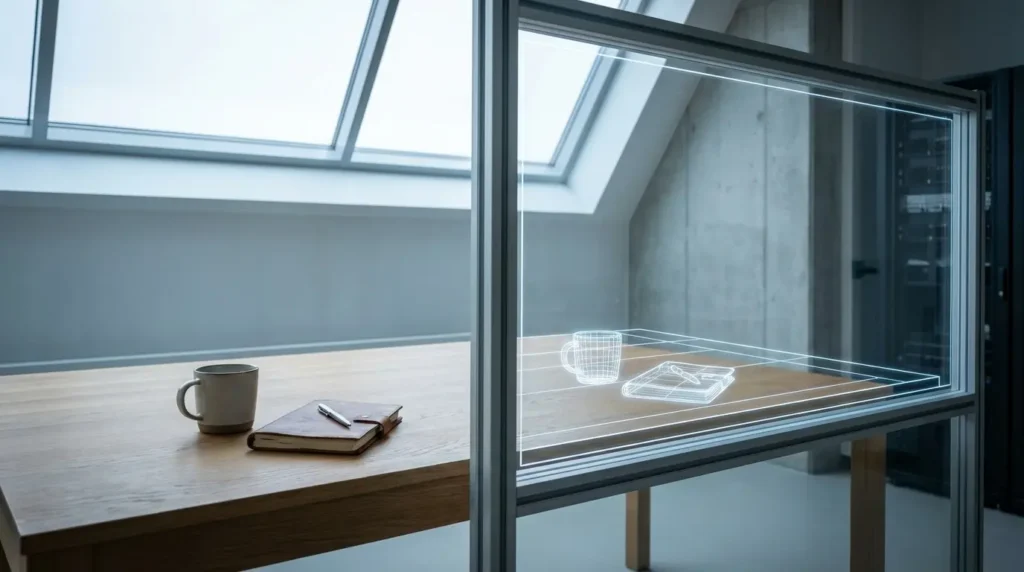
Spatial computing is defined as the concept of using digital technologies for more immersive and natural interactions with the physical world. It is also defined as an integration of elements of augmented reality, virtual reality, artificial intelligence, and sensors.
In other words, spatial computing is the ability of the computer to comprehend space, as humans do, and respond accordingly. This means that the computer is able to position and interact with objects as if they were real objects.
Why is it becoming the next big thing?
Spatial computing is not just the next big thing in the tech world; it is the next paradigm shift in the way humans interact with technology. As the world is moving towards immersive and intelligent technologies in the industries, the need for spatial experiences is rising at an unprecedented rate.
Companies are heavily investigating into this field as it is creating a better user experience, is efficient, and is creating new avenues of innovation. From virtual meetings to learning environments, spatial computing is making digital interactions much more natural and engaging.
A brief history and evolution
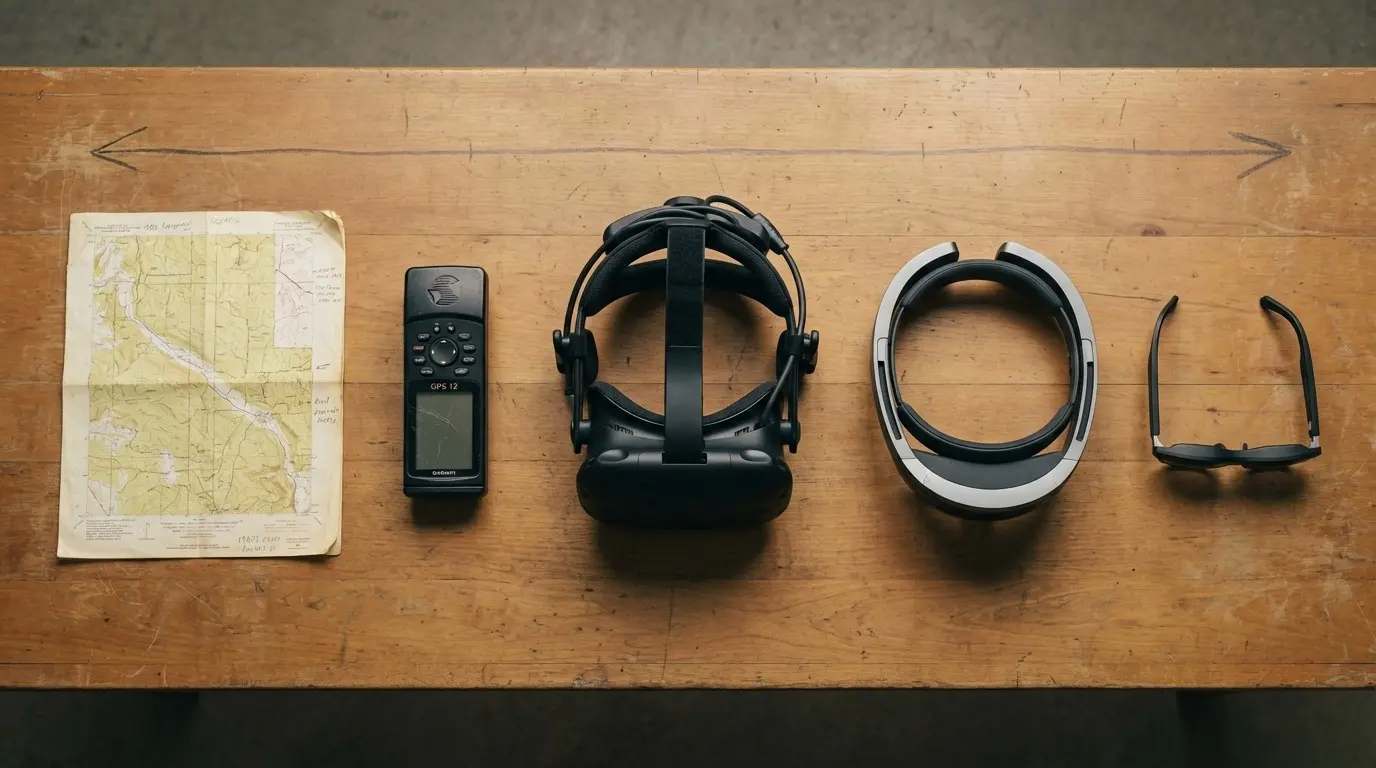
The idea of spatial computing can be traced back several decades. The earliest form of spatial computing can be traced back to Geographic Information System (GIS), which originated in the 1980s. However, the term “spatial computing” was first formally coined in the year 2003 by Simon Greenwold.
Several technological innovations in hardware as well as software, especially in the fields of graphics and AI, have helped spatial computing become more accessible over the years. The advent of AR and VR technologies in the last decade of the past century helped spatial computing come closer to reality.
Core Technologies behind Spatial Computing
Spatial computing is not one specific technology but rather a collection of several advanced technologies that operate in unison:
Augmented Reality (AR): Adds virtual information on top of physical objects
Virtual Reality (VR): Delivers a completely virtual experience
Mixed Reality (MR): Seamlessly blends physical and virtual worlds
Artificial Intelligence (AI): Facilitates intelligent interactions with one’s surroundings
Computer Vision: Facilitates computers’ ability to see, understand, and recognize objects, faces, and environments.
Sensors & IoT Devices: Captures real-time information from physical environments
These technologies enable devices to understand physical space.
Real Life Applications
Currently, spatial computing technology is being applied in the following ways:
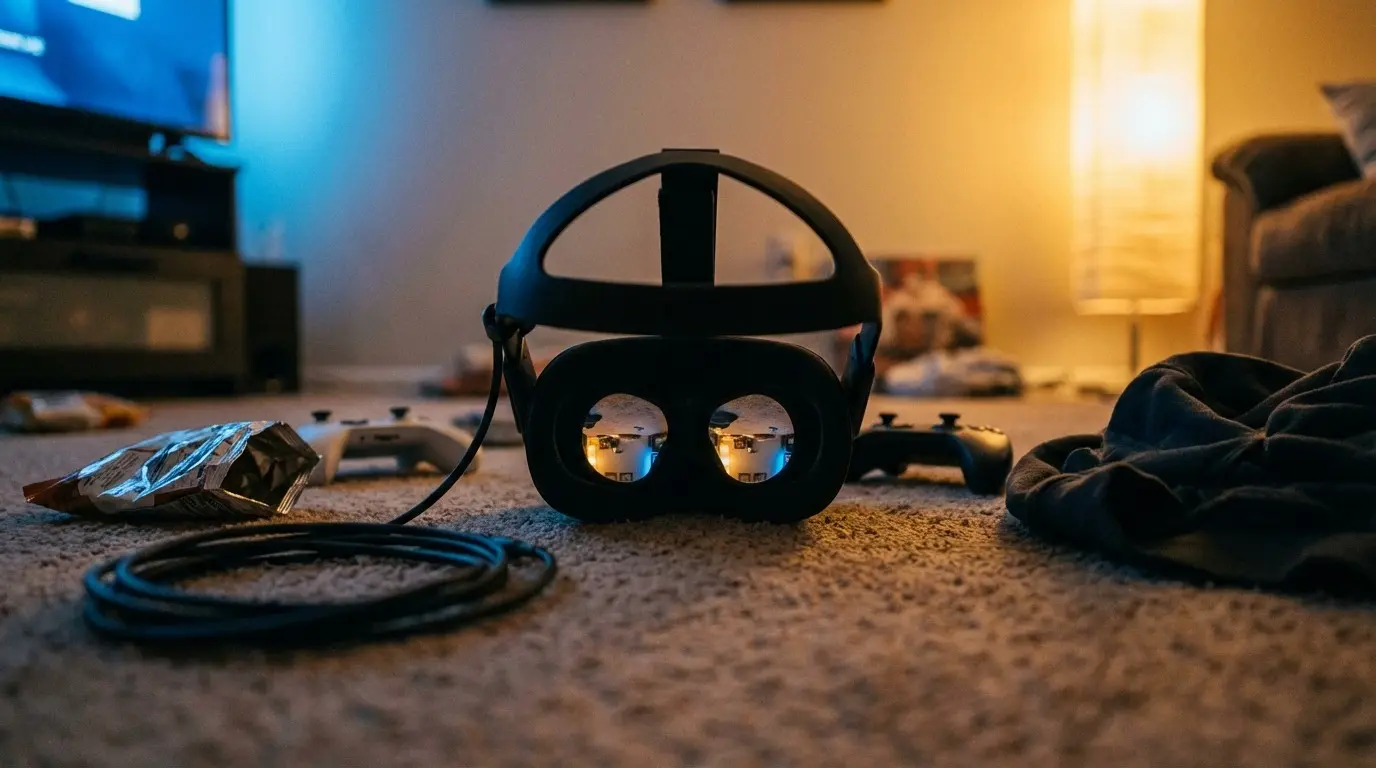
1. Gaming: Spatial computing helps in the development of gaming technologies that provide an immersive experience, allowing players to interact with objects in real space
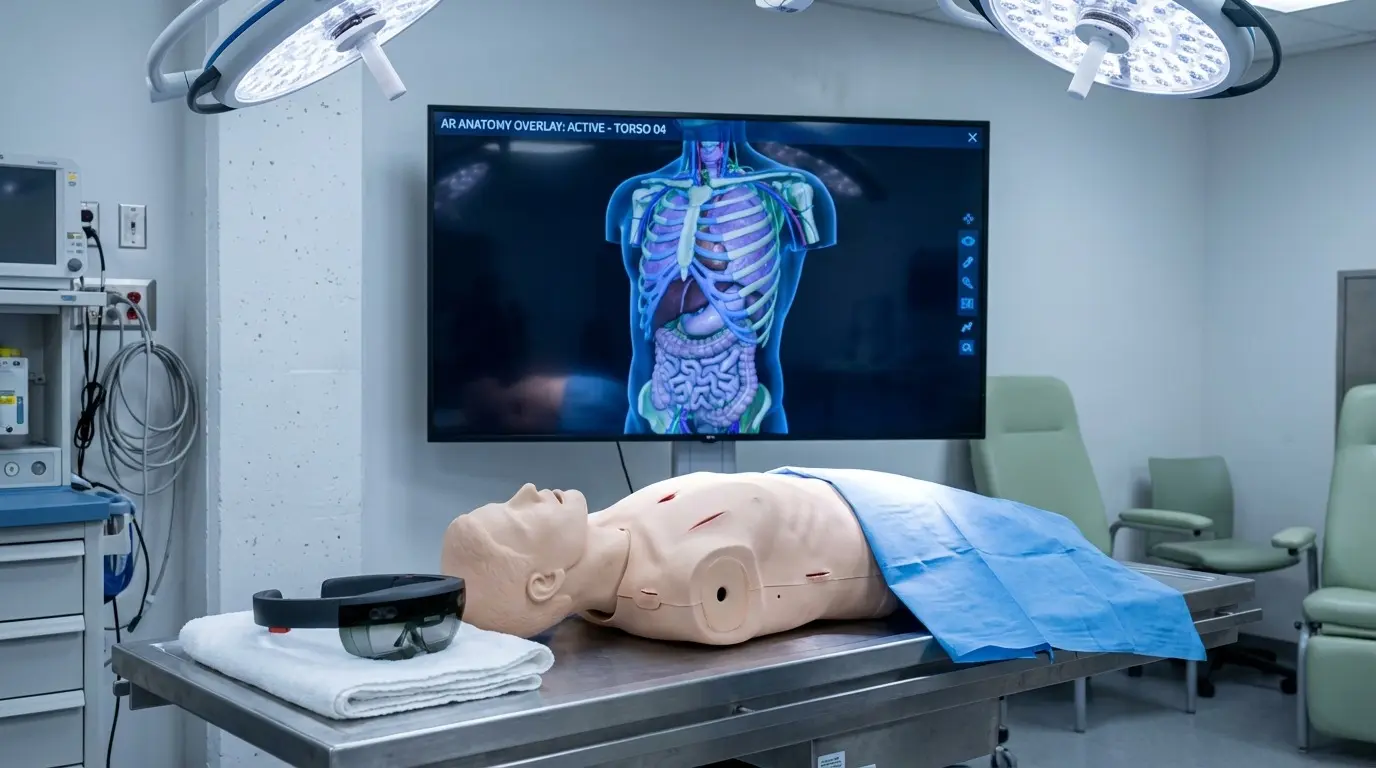
2. Healthcare: Spatial computing helps in the simulation of surgical procedures
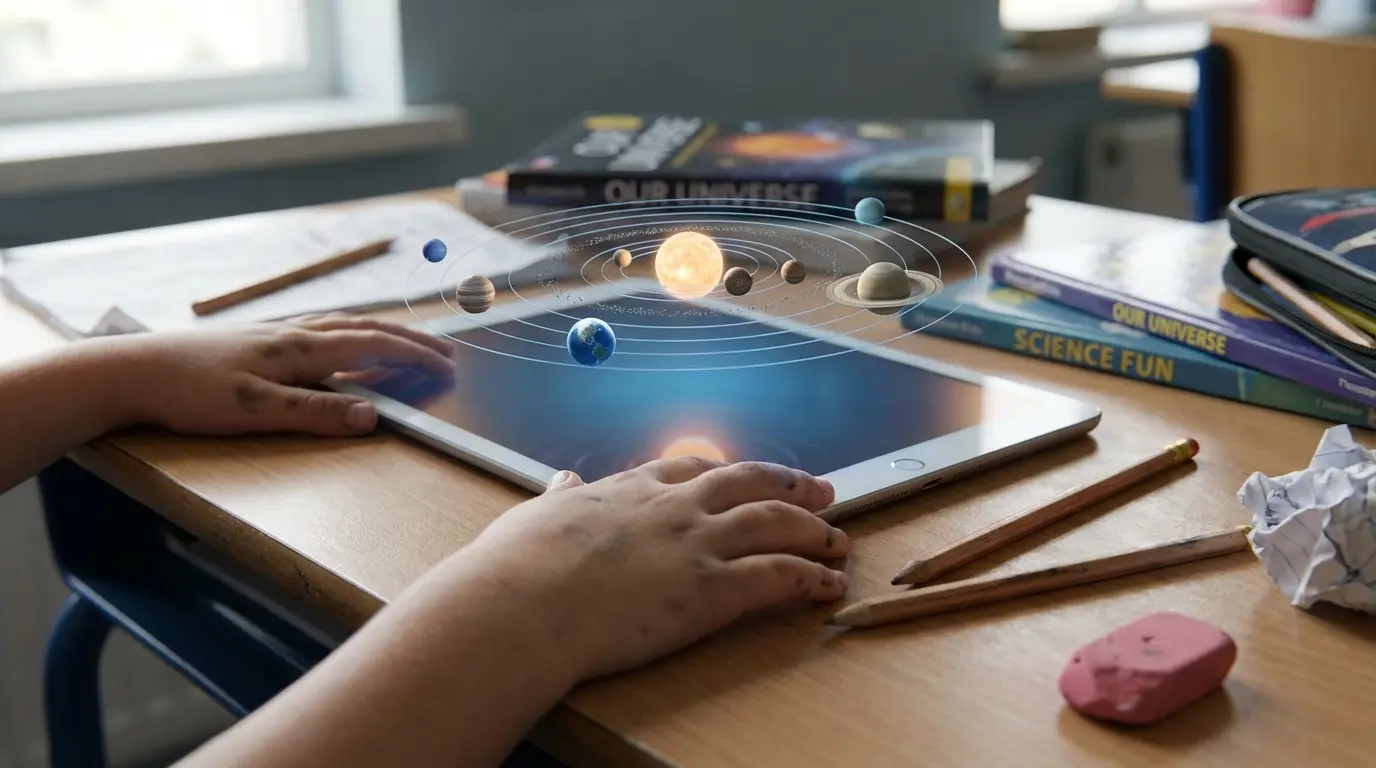
3. Education: Spatial computing helps in the development of interactive learning tools
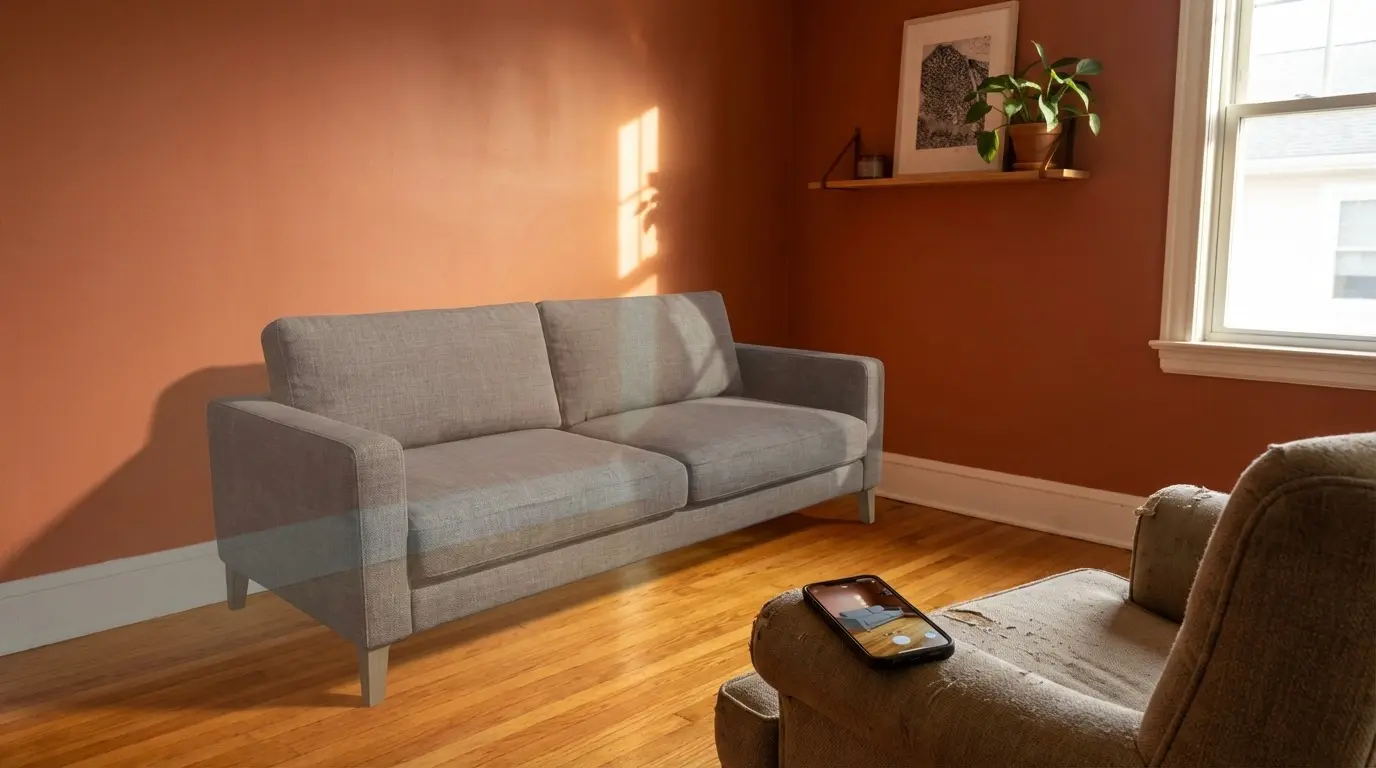
4. Retail: Spatial computing helps in the development of tools that enable customers to see how the product would look in real space in their homes
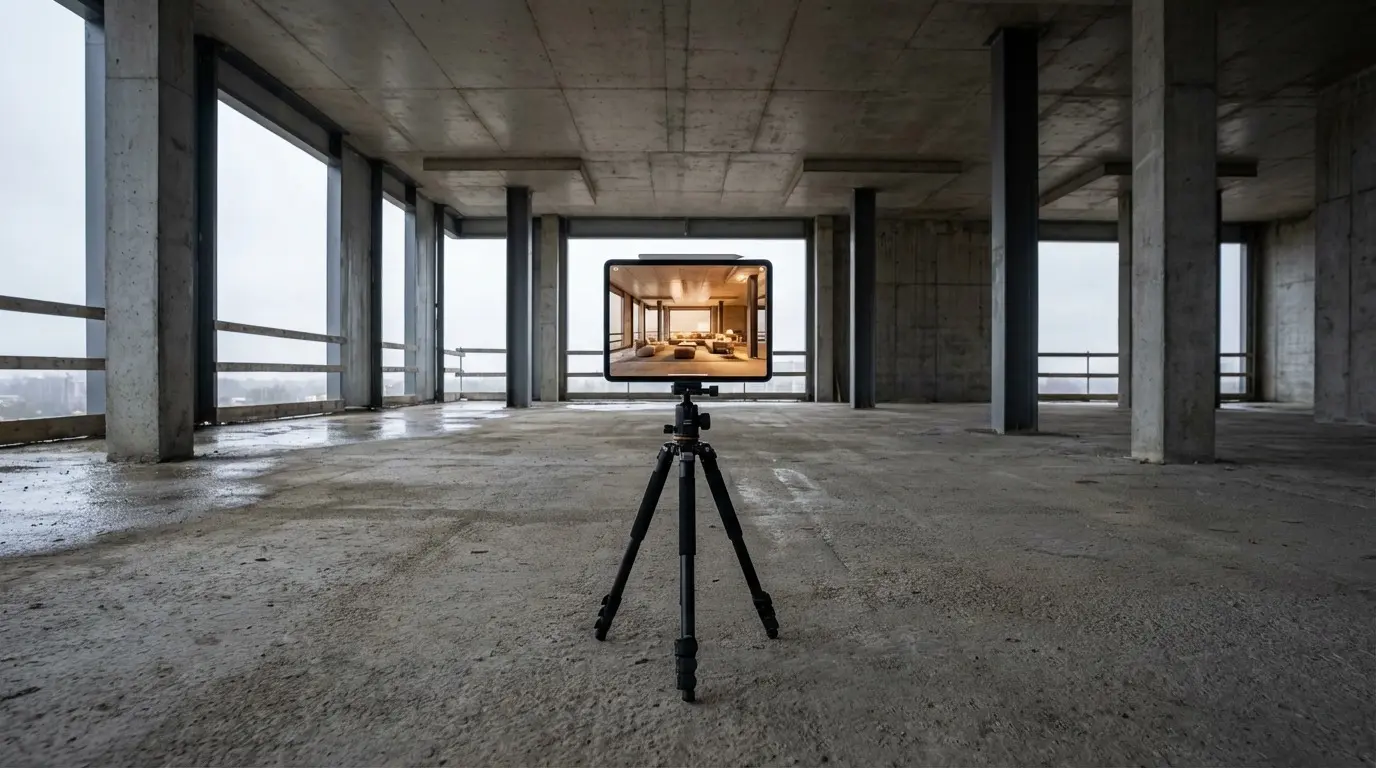
5. Architecture: Spatial computing helps in the development of tools that enable the real-time visualization of buildings
6. Manufacturing: Spatial computing helps in the development of tools that enable the simulation of processes in the industry
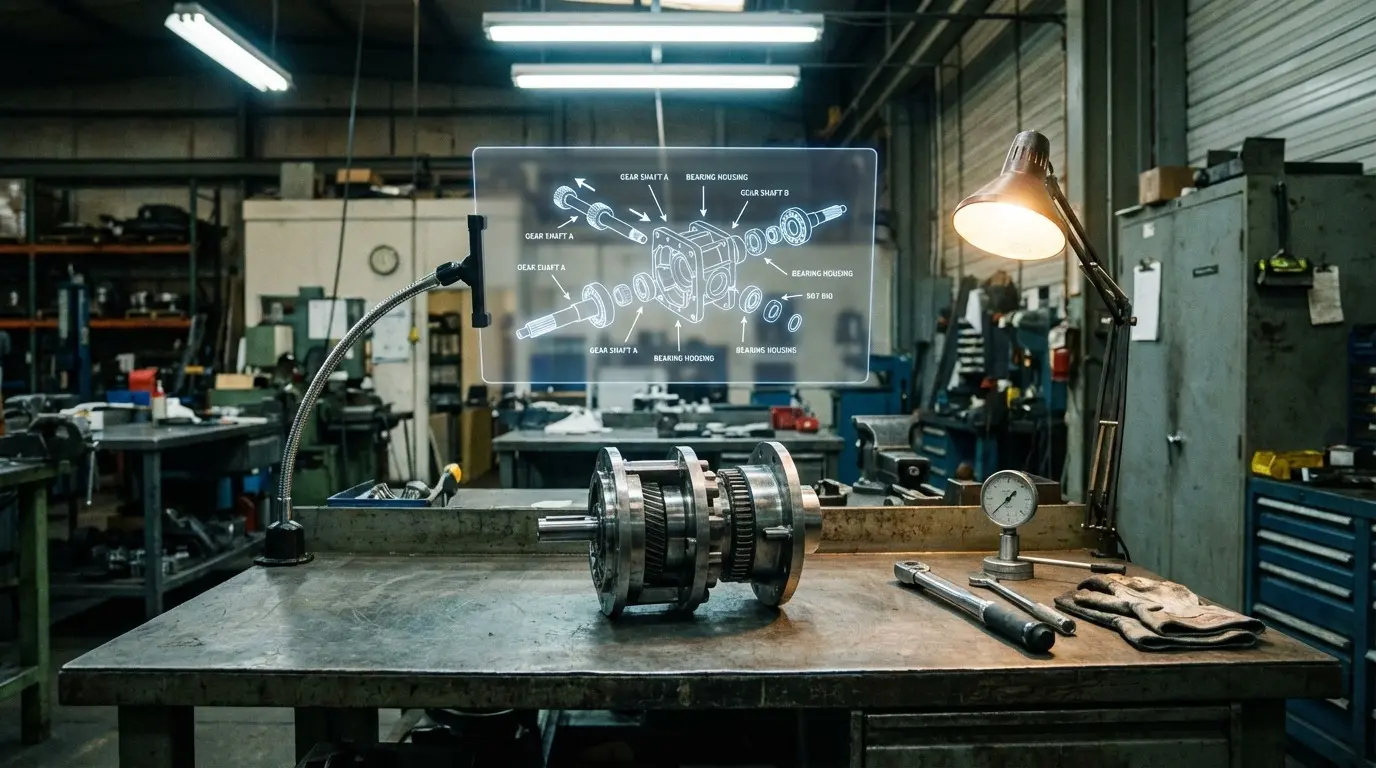
These applications show how spatial computing is moving beyond theories into real world application.
Industry and Business Impacts
Today, businesses are increasingly using spatial computing, especially to improve their operations as well as their ability to engage with their customers.
For instance, remote collaboration is made much better by the ability of people to interact with each other in a space that is virtually shared. In the same way, products are developed much faster when they are simulated as opposed to when they are created physically.
Therefore, spatial computing is not just a technological innovation; it is, in fact, a business innovation as well.
Challenges and Limitations
There are still some challenges that need to be addressed before spatial computing can be widely accepted:
- High Cost: The latest devices are costly
- Privacy: The constant collection of information poses a security risk
- Hardware Limitations: The devices are still improving in terms of comfort
- Adoption Limitations: Not all users and industries are willing to adapt to spatial computing.
Addressing these challenges will be crucial for its widespread adoption.
The future of spatial computing
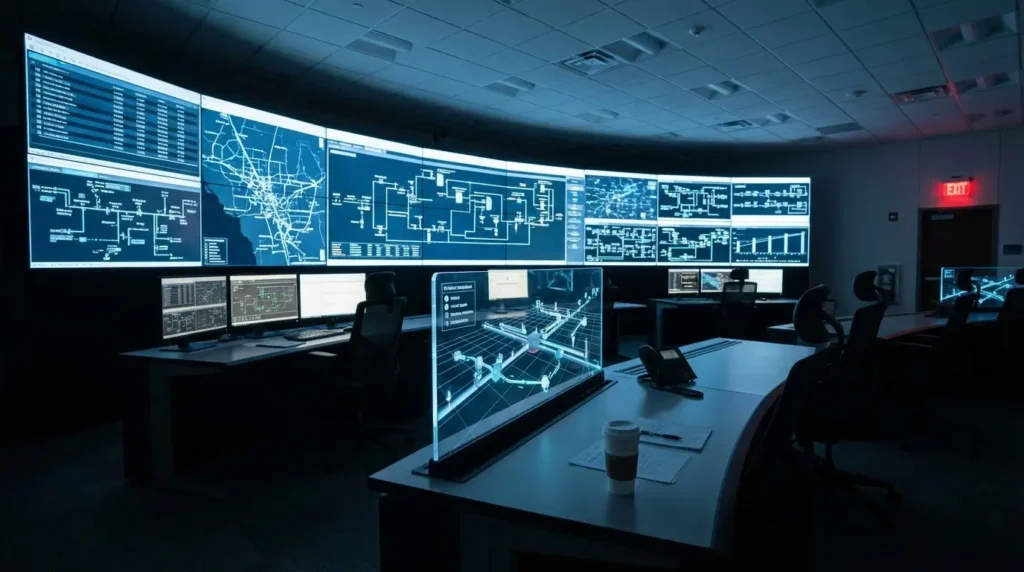
The future of spatial computing appears to be bright, and as technology advances, we may look forward to even more fluid and user-friendly interfaces.
For the next few years, it may be possible to see the end of the need for screens, as spatial interfaces continue to dominate the field. The integration of artificial intelligence may also enable these interfaces to be even more responsive and intelligent. The idea of the metaverse and the concept of digital twins may also be able to expand the horizons of spatial interfaces.
It may be possible for people to be able to use 3D space as easily as they use a smartphone today.
Frequently Asked Questions
1. Is spatial computing the same as AR or VR?
No, it is not the same as AR or VR, but it includes these technologies.
2. Where does spatial computing exist today?
It exists in gaming, healthcare, education, retail, and more.
3. Is spatial computing expensive?
It may be expensive today, but it may get less expensive in the future.
4. Is spatial computing device-dependent?
Yes, it does require devices such as AR glasses or VR headsets.
5. What is the primary benefit of spatial computing?
The primary benefit of spatial computing is that it makes digital interaction natural.
Conclusion
Spatial computing is a change from interacting with screens to interacting with the world itself. By combining the digital and physical worlds, spatial computing can provide experiences that are more intuitive, engaging, and effective.
Although there are still challenges to overcome, the promise of spatial computing is undeniable. As technology continues to advance, it is sure to change the way we live, work, and interact with the digital world – from screens to spaces.
Sorry, the comment form is closed at this time.