

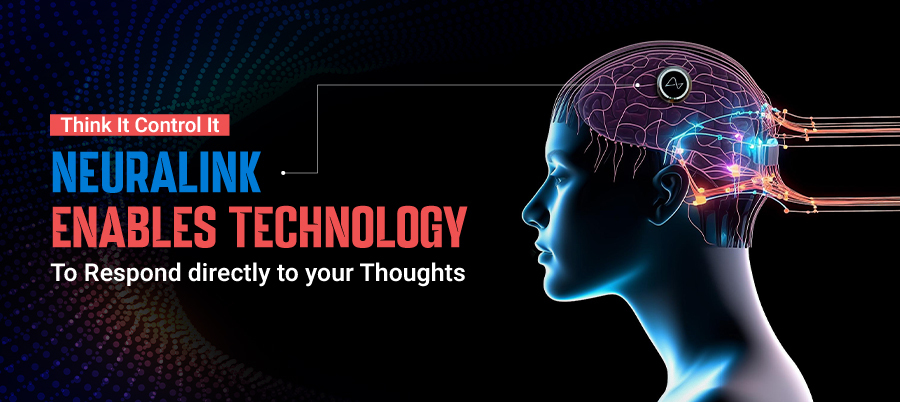
19 Mar Neuralink Technology: A New Chapter in Brain–Computer Interaction (BCI)
While technology is constantly evolving, it seems that every now and then, there is an innovation that seems as if it is from the future. One of those innovations is the work being done by Neuralink, which is a neurotechnology company with the goal of connecting computers directly to the human brain.
It may sound like friction , but the idea behind is simple enough: allowing the brain to interact with digital devices without keyboards, screens or other physical controls. If it works, this technology could reshape healthcare, make things more accessible for people with disabilities and change the way we interact with machines.
At the center of this ambitious project is entrepreneur Elon Musk, whose vision has turned worldwide eyes to the brain–computer interface technology.
The Story Behind Neuralink
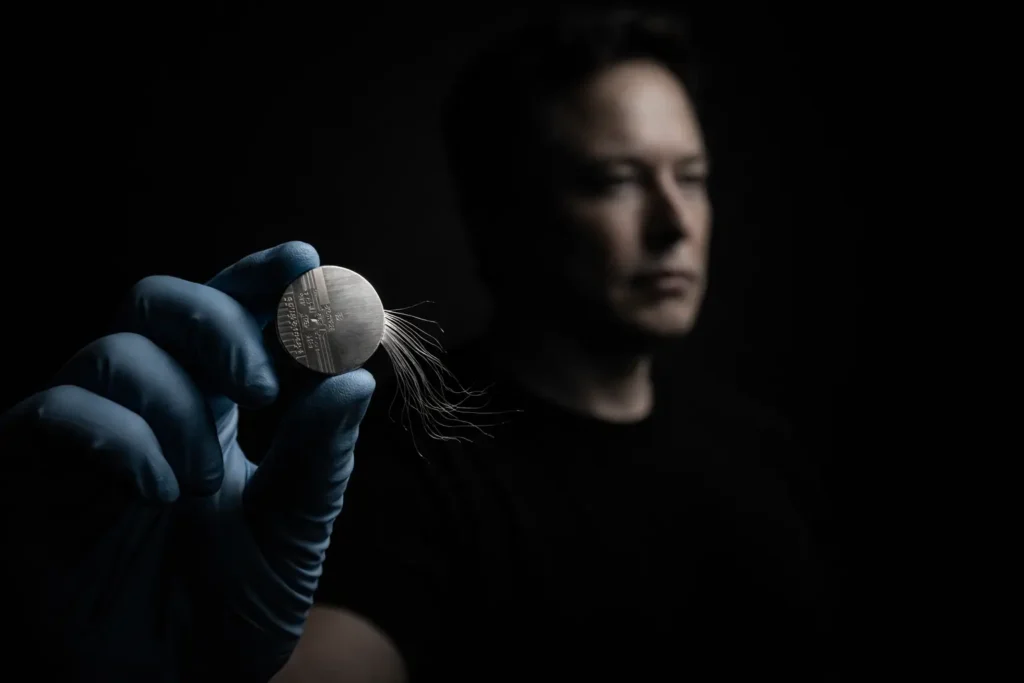
Elon Musk in 2016 founded the concept of Neuralink, along with a group of scientists and engineers who specialized in fields of neuroscience, robotics, and biomedical engineering. Musk had been contemplating the nature of the relationship between humans and machines over time, and he thought that implanting computers directly into human brains would be an important factor going forward.
But there is more to the vision of Neuralink than just futuristic tech. One of the main aims is to assist those suffering from severe neurological diseases. Many medical conditions can interfere with communication between the body and the brain, resulting in paralysis or loss of speech, among other challenges.
Neuralink believes its advanced brain–computer interfaces can restore some of these lost capabilities and potentially help patients across the globe to live a better life.
What Is a Brain–Computer Interface?
A brain–computer interface(BCI) is a system that allows direct communication between the brain and an external device.
“Neuralinks are telepathy of human brains.”
Normally, people interact with technology through physical actions such as typing on a keyboard, tapping on a smartphone, or giving voice commands. BCIs work differently. They capture electrical signals from the brain and convert them into digital instructions that a computer can understand.
This has been studied for years in the field of Neuroscience, but the technology has been lacking to enable its implementation. However, with the advancement of technology, the brain–computer interfaces are becoming more sophisticated and accurate.
Neuralink is one of the companies working towards the implementation of the technology from research labs to real-life application.
How Neuralink’s Technology Works
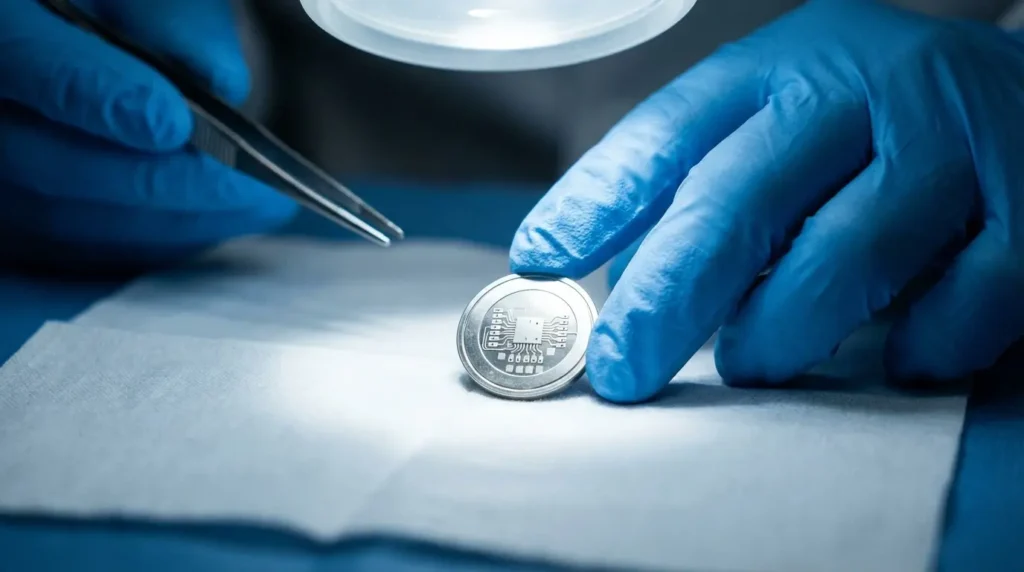
Neuralink’s technology is based on an extremely small device that can be implanted inside the brain. The device has tiny flexible wires that can be connected to the neuron and can detect the signals sent by the brain.
Once this data is recorded, it is sent wirelessly to a computer device using special software. The software can then analyze this data and convert it into commands.
Another interesting aspect of Neuralink’s technology is the surgical robot. The robot is designed to place the flexible wires inside the brain with extreme accuracy. This can help avoid damage to the brain tissue.
In simple terms, Neuralink’s technology is based on developing a medium of communication between the brain and digital devices, which can translate thoughts into actions.
Healthcare Applications and Medical Potential
One of the most exciting features of the technology developed by Neuralink is its potential impact on the field of healthcare. There are many neurological problems that arise as the result of communication problems between the brain and the body. Brain-computer interfaces could potentially allow patients to regain some of these functions.
For instance, those with paralysis could, with the technology, potentially control a computer cursor, write messages, and control assistive technology with their minds. This could provide a new level of independence for people who currently face severe physical limitations.
The technology developed by Neuralink could also play an important role in the treatment of those with spinal cord injuries, brain disorders, and many other neurological problems. This could allow doctors to gain further insight into the way the brain works and how many conditions affect the communication process between the brain and the body.
While the technology is still being researched and tested, its potential impact on the field of medicine could be significant.

Changing the Way Humans Interact with Technology
In addition to healthcare, Neuralink also has the potential to change how humans interact with digital technology.
For instance, imagine a situation where you are using a computer, sending a message, or opening an application by simply thinking of it. This could be achieved using a brain-computer interface, which would eliminate the need to use a physical input device.
This interaction could also be beneficial in terms of accessibility. There are persons who are unable to use input devices due to physical disabilities. They could still be able to interact with a computer and digital technologies using a brain-computer interface.
As technology continues to advance, brain-computer interfaces could eventually create a faster way for humans to communicate with digital technologies.
Future Opportunities and Possibilities
The future possibilities and opportunities offered by Neuralink technology are both exciting and complicated. In the medical field, the technology has the potential to restore movement and improve communication for those suffering from different neurological conditions.
In the broader technology sector, brain-computer technology has the potential to reshape the relationship between humans and artificial intelligence. Improved communication between humans and technology has the potential to improve collaboration.
Although these are just possibilities, the progress achieved in brain technology is evidence that innovation is advancing rapidly, especially when multiple scientific fields converge.
Challenges and Ethical Considerations
Although Neuralink offers exciting possibilities, it also raises important challenges.
1. Surgical Safety
Implanting devices in the brain is a complex medical procedure, so ensuring patient safety is essential.
2. Long-Term Impact
Researchers still need to study the long-term effects of brain implants before they become widely used.
3. Data Privacy
Brain data is highly personal, making strong security and privacy protection very important.
4. Ethical Concerns
Experts continue to debate how far technologies like Neuralink should go in enhancing human abilities.5. Regulation and Control
Proper rules and regulations will be necessary to ensure the technology is used responsibly and safely.
Looking Toward the Future
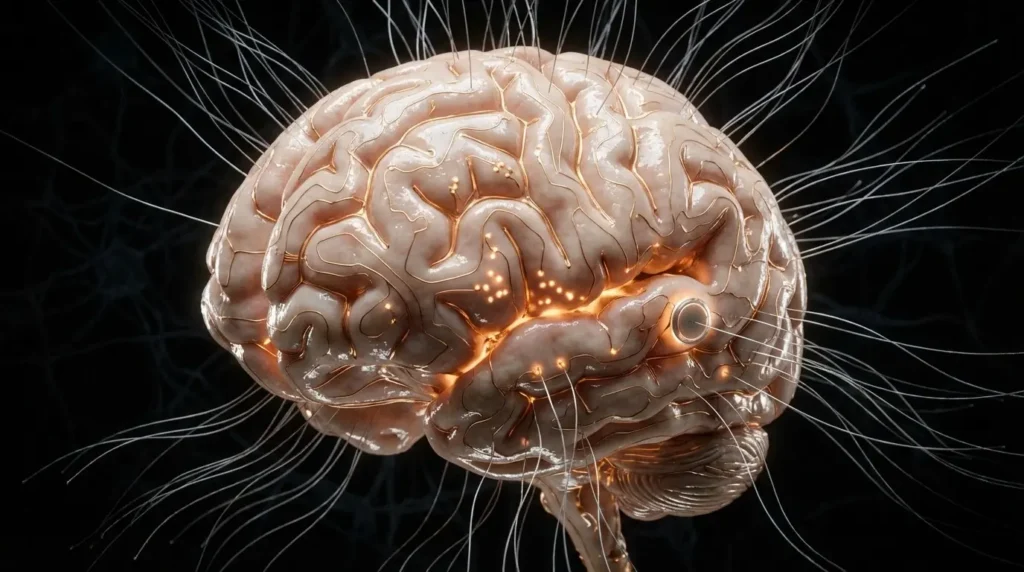
Neuralink is really something exciting in the world of technology that deals with the brain. They are trying to figure out how to connect our brains to computers and machines by using what we know from science, engineering and computer stuff.
The technology is not ready yet. What they are doing is very promising. It seems like one day we might be able to use computers to help people who’re sick or hurt and to make new technologies that can help us.
Neuralink is trying to make things that can help people who have lost things like the ability to walk or talk. They want to make it easier for people to communicate with each other and with machines. Neuralink is doing some cool things that might change the way we live in the future.
Frequently Asked Questions (FAQs):
1. What is Neuralink technology?
Neuralink is a neurotechnology company developing brain–computer interfaces that allow the human brain to communicate directly with computers and digital devices.
2. Who founded Neuralink?
Neuralink was founded in 2016 by Elon Musk along with a team of neuroscientists and engineers to explore advanced brain–machine communication technologies.
3. How does Neuralink work?
Neuralink uses a small brain implant with ultra-thin threads that detect neural signals. These signals are transmitted to a computer where software translates them into commands.
4. What are the main uses of Neuralink technology?
Neuralink aims to help people with neurological conditions such as paralysis or spinal cord injuries and may also enable humans to control devices using their thoughts.
5. Is Neuralink technology available to the public?
Currently, Neuralink technology is still in research and testing stages. Scientists and engineers are working to ensure its safety and effectiveness before it becomes widely available.
Conclusion
Neuralink has been a major breakthrough in the field of neurotech. This breakthrough could revolutionize healthcare, accessibility and human–machine interaction to create a direct pathway from your brain to computers.
While Neuralink is still new, what Elon Musk showed us has gotten a lot of attention from people around the world. They are excited about the possibility of being able to control computers with our brains. Neuralink shows us that science and technology can work together to help people do more than they can now. This could help people who’re sick with brain diseases and also create new ways for us to use computers and other digital things.
As the research progresses, in years to come we might see how this new technology can be utilized responsibly going forward and be part of the future of communication, medicine and human innovation.
Sorry, the comment form is closed at this time.