


09 Feb Nano Tech: The Smallest Engineering with the Biggest Impact
What if the smallest things around us held the power to change the world?
Well, that’s exactly what nanotechnology does in the first series.
This second part of the Nanotechnology series shifts the focus from what nanotechnology is to the power of tiny things to create a massive real-world impact. At the nanoscale — one billionth of a meter — materials begin to behave in unique ways, becoming stronger, smarter, and more efficient than their larger forms.
This scientific field of designing and manipulating matter at an ultra-small level, also referred to as Nano-engineering, is redefining how we solve real-world problems. When paired with advanced scientific tools, nanomaterials enable researchers to create lighter technology, smarter systems, and more sustainable solutions across multiple industries.
Today, nanotechnology has moved far beyond research labs. It is actively transforming healthcare, agriculture, electronics, energy systems, and environmental protection. By examining its real-world applications, we can clearly see how the ideas introduced in the earlier series are evolving into technologies that directly impact modern life.
Application of Nanotechnology
1. Healthcare
Nanotechnology is reshaping modern medicine by making treatments smarter, faster, and more targeted. Nanomaterials can be engineered to interact with biological systems at the cellular level — this helps doctors deliver medicine exactly where it’s needed and detect diseases earlier than ever before. For example, nanoparticles act as carriers for drugs, especially in cancer therapy, where they can target tumors while reducing side effects.
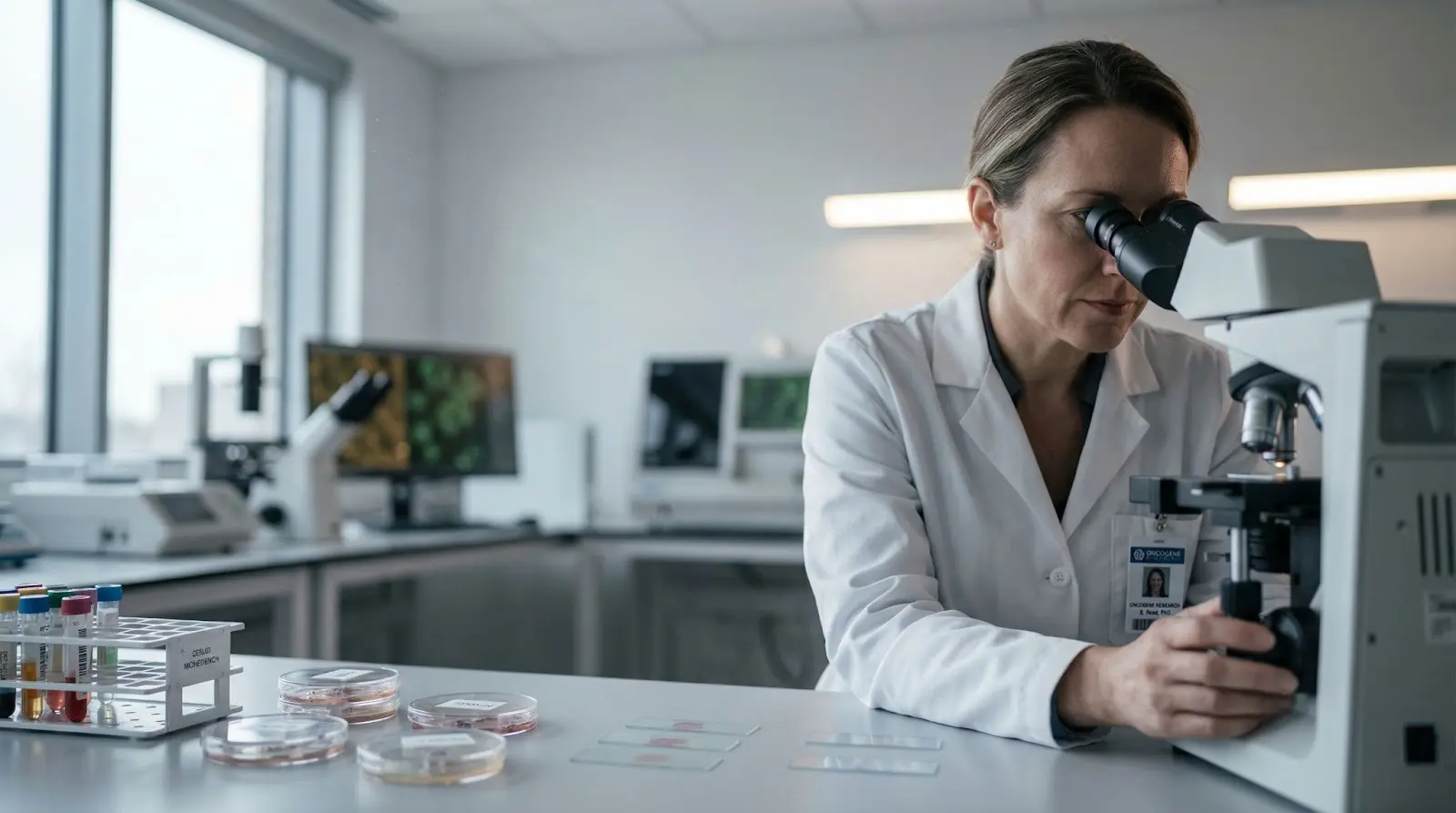
Trending in Healthcare
The global DNA nanotechnology market — which includes nano-enabled diagnostics and drug delivery platforms — is growing rapidly, with strong demand in personalized medicine and early disease detection.
New regulatory guidance is being developed for safety testing of manufactured nanomaterials, helping ensure these innovations are safe for patients and the environment.
Why it matters: Nanotech can make healthcare not just more effective but also less invasive and faster, supporting early disease detection and tailored treatments.
2. Agriculture
Nanotechnology in agriculture goes beyond fertilisers — it supports precision farming and sustainable crop management. Nanopesticides and nanofertilizers help deliver nutrients and protective chemicals directly to plants, reducing waste and environmental impact. Nanobiosensors can track soil health, moisture, nutrient levels, and even identify disease before visible symptoms appear.
Latest
Research shows nanomaterials enhance plant stress resistance, improve nutrient metabolism, and help crops adapt to drought, salinity, and other stresses — vital for food security under climate change.
Precision nanosensors are increasingly being tested to monitor soil conditions in real time, helping farmers optimise irrigation and inputs.
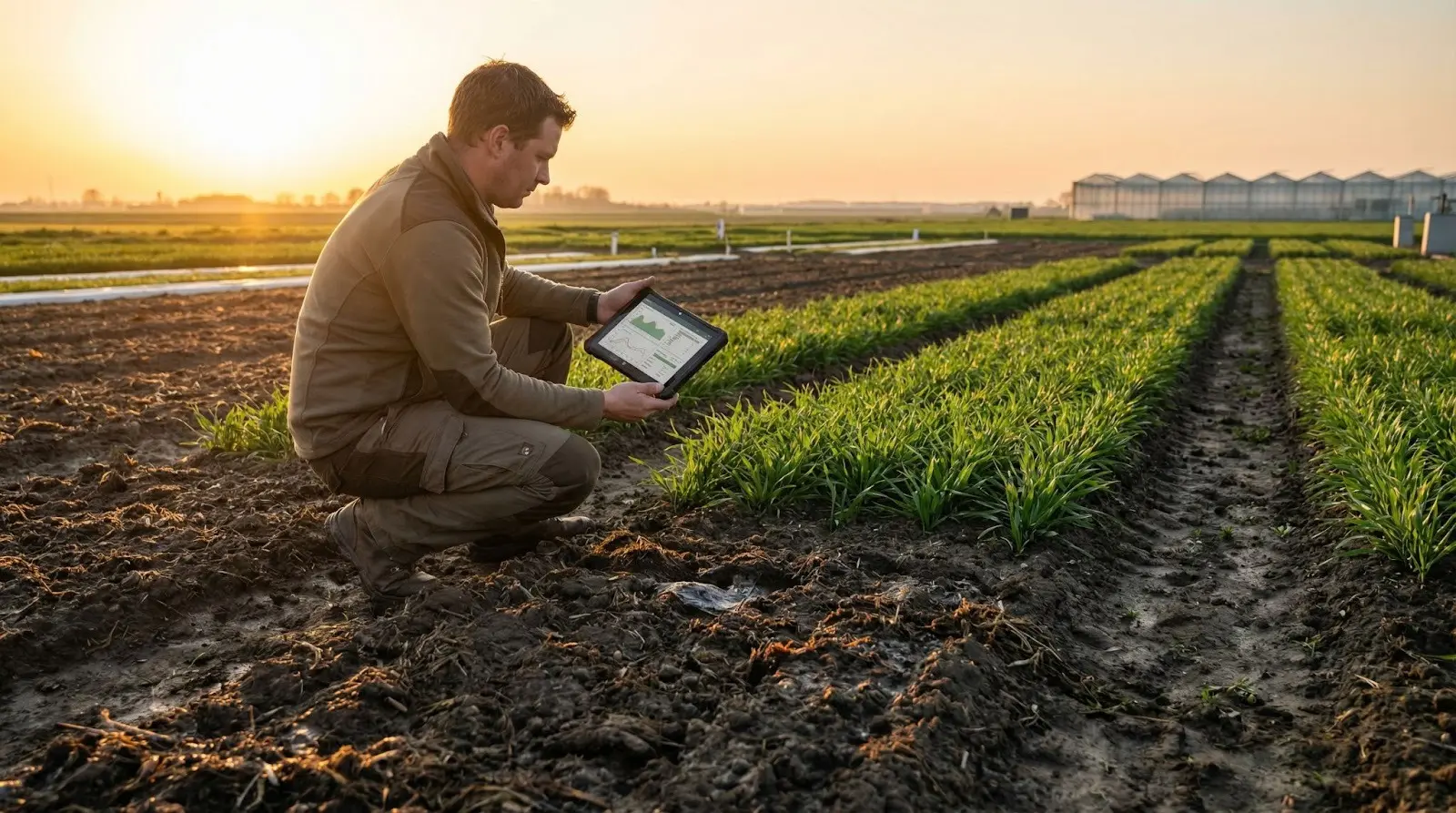
Why it matters: Nanotechnology helps make agriculture more efficient, sustainable, and resilient — crucial as global food demand increases.
3. Energy & Electronics
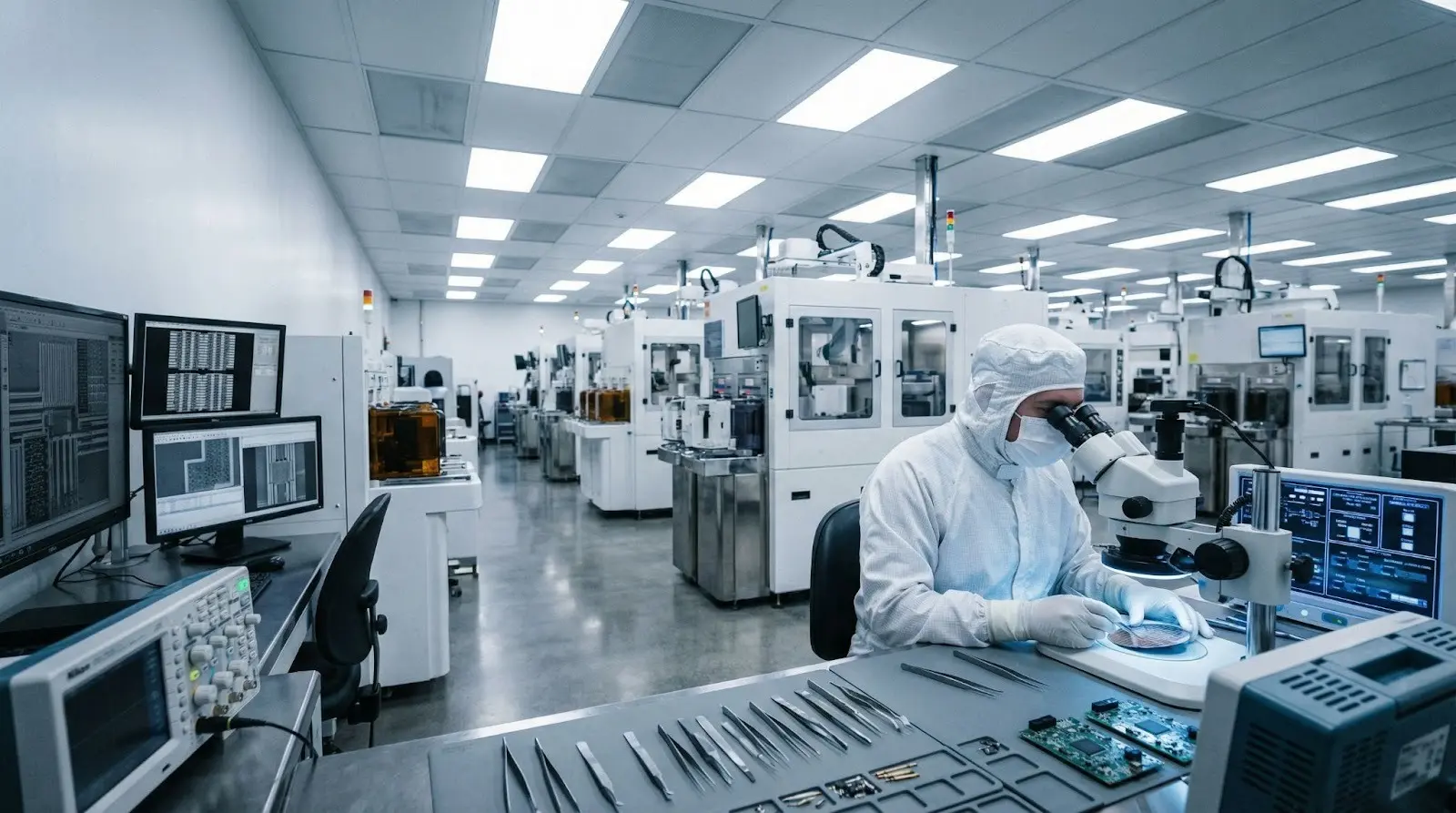
Nanotechnology is central to next-generation energy systems and electronics — enabling devices that are smaller, faster, and more energy-efficient.
Energy
Nanomaterials improve solar panels, batteries, and fuel cells. They can increase energy capture in solar cells and help batteries charge faster and last longer. This is key for renewable energy adoption and electric vehicles.
Electronics
Nanotech enables nano-scale transistors and quantum dots that power faster computers, ultra-bright displays, and advanced sensors. Emerging nanoelectronics are driving innovations in AI chips and next-gen computing.
Why it matters: From efficient energy storage to tiny high-performance electronics, nanotechnology is material to future tech trends.
4. Environment
Nanotechnology also plays a vital role in environmental protection and remediation.
Water & Air Purification
Nanofilters and nano-enabled membranes can remove pollutants, pathogens, and heavy metals from water with far greater precision than traditional filters. They also help clean air by trapping particulate matter at a microscopic level.
Cleanup & Sustainability
Nanomaterials are being developed to neutralise toxins in soil, break down environmental contaminants, and even remediate oil spills more effectively.
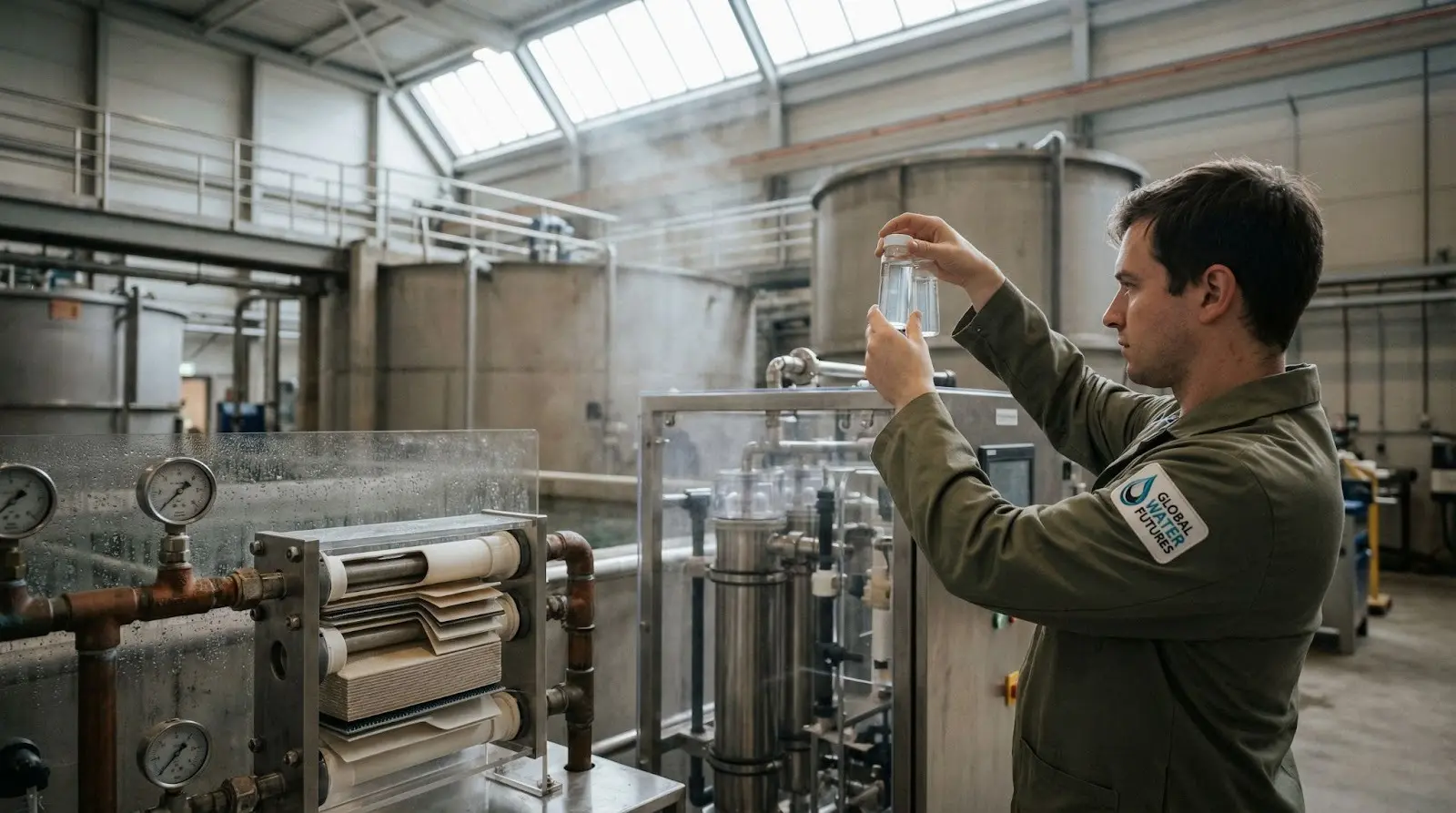
Why it matters: With environmental challenges growing, nanotech provides tools for faster cleanup, better monitoring, and sustainable resource use.
Nano Tech or NanoEngineering is not just one science platform it also includes fields or departments like biology, chemistry, physics, electronics, medicine, material science and engineering.
Advantages of Nanotechnology
1. Improved Efficiency & Performance: Stronger, lighter, and more reactive materials using less energy
2. Precision Solutions: Targeted drug delivery and smart agricultural inputs
3. Energy Savings: Better batteries, solar cells, and insulation materials
4. Miniaturization: Smaller yet more powerful devices
5. Environmental Protection: Cleaner air, water, and soil
6. Durability: Longer-lasting construction materials and textiles
7. Cost Benefits: Reduced maintenance and resource usage over time
Real-Life Uses of Nanotechnology (You See Them Every Day)

1. Sunscreens and Skincare Products
Many modern sunscreens use nano-sized zinc oxide or titanium dioxide particles. These nanoparticles protect the skin from harmful UV rays without leaving a white layer on the skin. That’s why today’s sunscreens feel lighter, smoother, and more comfortable.
Nano tech at work: Better protection + better appearance.
2. Cancer Treatment and Drug Delivery
In hospitals, nanotechnology is already helping doctors target cancer cells more accurately. Nano-carriers deliver medicine directly to affected cells, reducing damage to healthy tissues and minimizing side effects like hair loss or fatigue.
Nano tech at work: Smarter treatment, less harm to the body.
3. Smartphones and Electronics
The powerful processors inside smartphones and laptops use nano-scale transistors. These tiny components allow devices to run faster, store more data, and consume less battery — all while staying compact.
Nano tech at work: Faster performance in smaller devices.
4. Water Purification Systems
Nano-filters are used in advanced water purifiers to remove bacteria, heavy metals, and harmful chemicals. These filters can trap contaminants at a microscopic level, providing cleaner and safer drinking water.
Nano tech at work: Pure water with better filtration.
5. Batteries and Electric Vehicles
Nano-materials in batteries help them charge faster, store more energy, and last longer. This is especially important for electric vehicles and renewable energy storage.
Nano tech at work: Longer drives, faster charging.
Future Scope of Nanotechnology
The future of nanotechnology is rapidly expanding as it blends with new other emerging fields. Researchers are working on nano-robots for precision surgery, smart nano-particles for personalized medicine, and nano-sensors that can detect diseases even before symptoms occur. In electronics, nano-scale chips are being used for the development of ultra-fast AI processors and energy-efficient devices, supporting trends like edge computing and next-gen wearables.
At the same time, nanotechnology is playing a crucial role in the area of sustainability and climate change. Scientists are currently working on the development of advanced nanomaterials for the creation of highly-efficient solar cells, long-lasting batteries, carbon capture, and water desalination. As there is an increasing focus on growing green technology and smart infrastructure, nanotechnology is expected to drive innovations that are not only smarter but also environmentally responsible, shaping a healthier and more sustainable future.
Nanotechnology and Society
Nanotechnology is deeply influencing society by improving the way we live, heal, communicate, and protect our environment. From advanced medical treatments and clean drinking water to faster computing and more energy-efficient systems, nano-tech innovations are helping solve real-world problems and improve overall quality of life. By enabling more intelligent healthcare, sustainable agriculture, and clean energy solutions, nanotechnology supports social development and helps bridge gaps in access to essential resources. However, with its increasing adoption, there are several questions that need to be addressed. Whether it is related to health, environmental concerns, privacy issues, or issues of disparity in access to cutting-edge technology, these issues require serious consideration. This is why governments, scientists, and industries are working together to create regulations, promote ethical research, and spread public awareness. When developed and used responsibly, nanotechnology has the power to benefit society as a whole and contribute to a more sustainable and inclusive future.
To Summarize
Nanotechnology proves that even the smallest innovations can create the biggest changes. By enhancing, it is quietly becoming part of our daily lives. As this technology continues to evolve alongside AI and green solutions, responsible development and awareness will ensure nanotechnology not only drives innovation but also builds a smarter and more sustainable future for society.
Sorry, the comment form is closed at this time.