

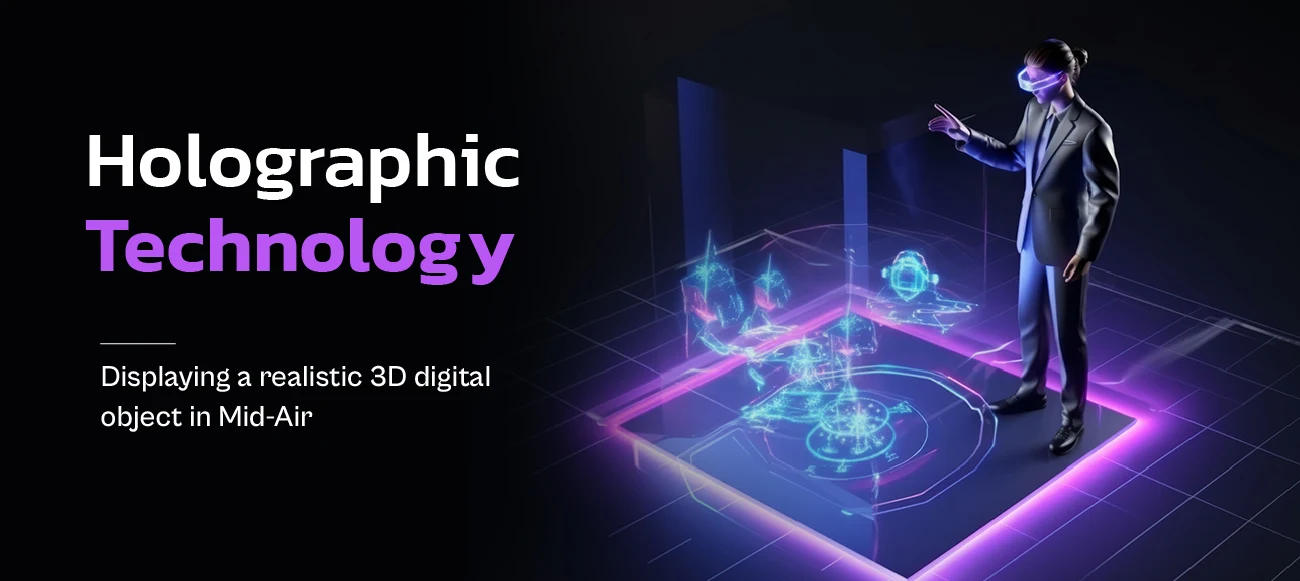
12 Jan Holographic Tech: Bringing Mid-Air 3D to Life
3D Introduction:
Holographic technology is changing the way we see and interact with digital content. What once looked like science fiction — floating 3D images in mid air — is now becoming part of life. Movies once portrayed holograms as futuristic illusions, but today, researchers and companies around the world are turning those ideas into practical technology.
With rapid improvements in computing power, artificial intelligence, and display systems, holograms are moving beyond research labs. They are appearing on smartphones, smart glasses, live events, education, healthcare, and even daily communication. This blog explores holographic technology in simple terms so anyone can understand how it works, its importance today, and its impact on the future of digital experiences in 2026 and beyond.
What is Holographic Technology?
Holographic Technology is a method of creating three-dimensional (3D) images that seem to float in space. Unlike regular photos or videos, holograms show depth. This allows viewers to look at them from different angles and see various sides of the objects — just like in real life.
A hologram is not just a visual trick. It captures information about how light reflects from an object and then recreates that light pattern. This makes the image appear realistic and lifelike. Some holograms can even respond to movements, gestures, or touch, making them interactive.
Today’s holographic systems are far more advanced than early versions. Modern holograms are brighter, sharper, and more stable, thanks to improvements in digital processing, AI, and display materials.
The Story Behind Holograms
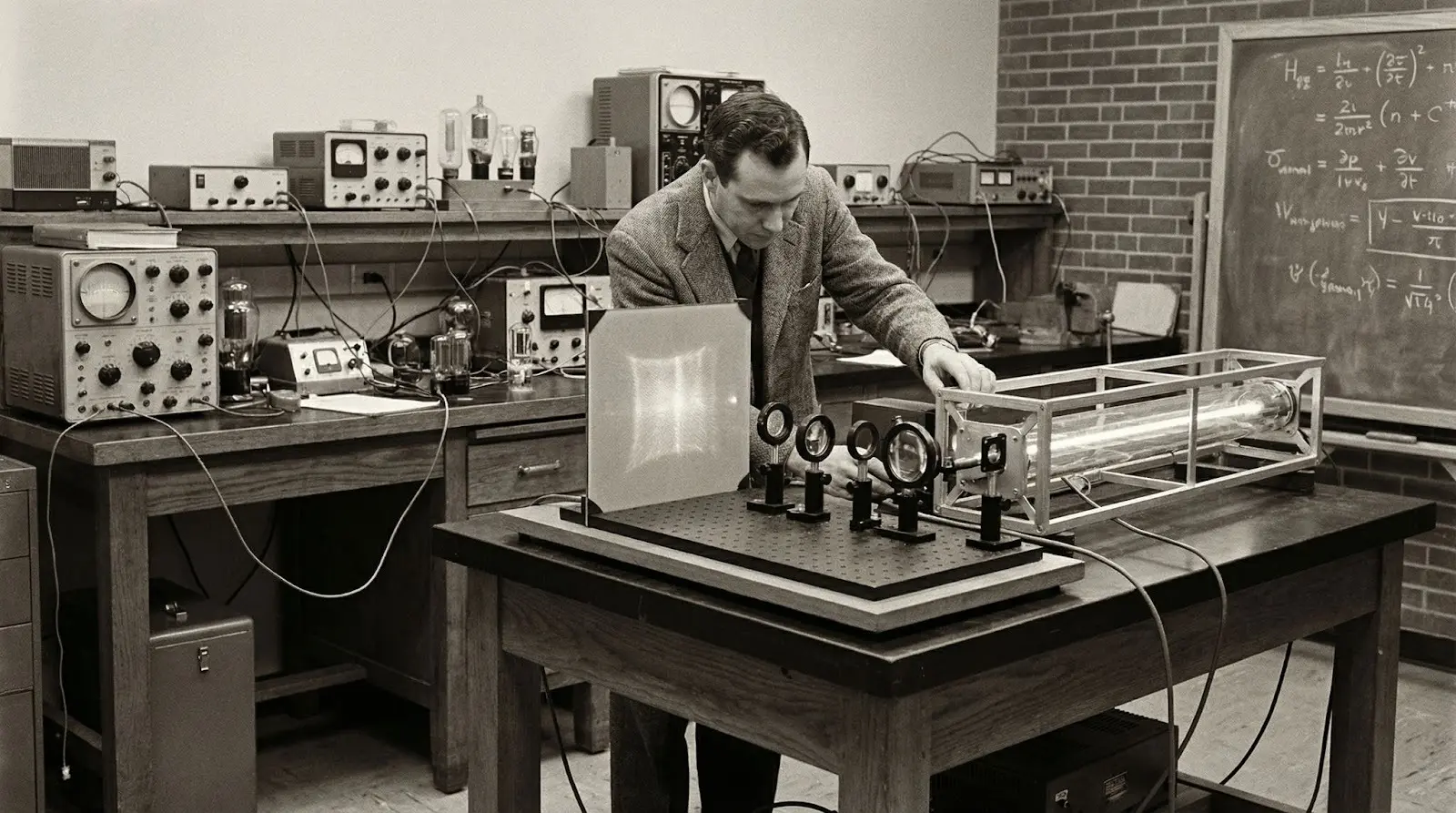
Holographic technology began with the vision of Dennis Gabor, a physicist who first introduced the idea of holography in 1947. His goal was simple yet powerful—to capture light in a way that could recreate depth and reality. Although the technology was ahead of its time, his work laid the foundation for modern holograms we see today. Dennis Gabor later received the Nobel Prize in Physics (1971) for this groundbreaking contribution.
👉 Know more about Dennis Gabor
How does Holographic Technology work?
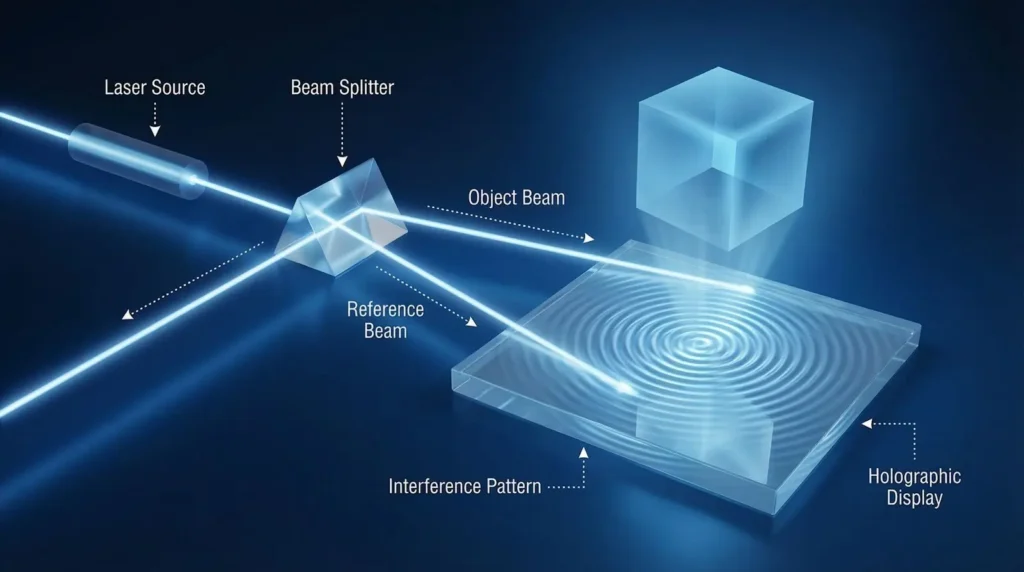
At the core, holography works by recording and recreating how light waves interact with an object. Traditional holography uses lasers to split light into two beams — one reflecting off the object and another acting as a reference. When these beams combine, they form an interference pattern that holds 3D information.
In modern application, holographic tech has relied on lasers and includes:
- Advanced sensors to capture depth and spatial data
- High-resolution projectors or displays to recreate images
- AR and mixed reality system to holograms interactive
Some holograms are displayed using transparent screens, light field displays, or special glass panels, while others are projected into space using light manipulation techniques. Smart glasses and headsets also play a key role by placing holograms directly into the user’s field of view.
Why does it matter today?
Holographic technology matters because it is changing the nature of human interaction with digital information. The reality is that their screens have natural limitations in that they are flat, passive surfaces that put us apart from information. Holograms, however, integrate digital objects with our world.
In the year 2026, this technology is gaining importance for the following reasons:
- The rise of immersive experiences
- Growth of remote work and virtual collaboration
- Increasing demand for realistic digital engagements
- Faster networks and smarter devices
Hologram technology increases communication efficiency. Instead of staring at screens, people can interact with 3D visuals as if they were real. This creates a far more immersive experience than anything previously possible in human technology.
Hologram Effects in Real Life
The impact of holograms is being witnessed in the following industries:
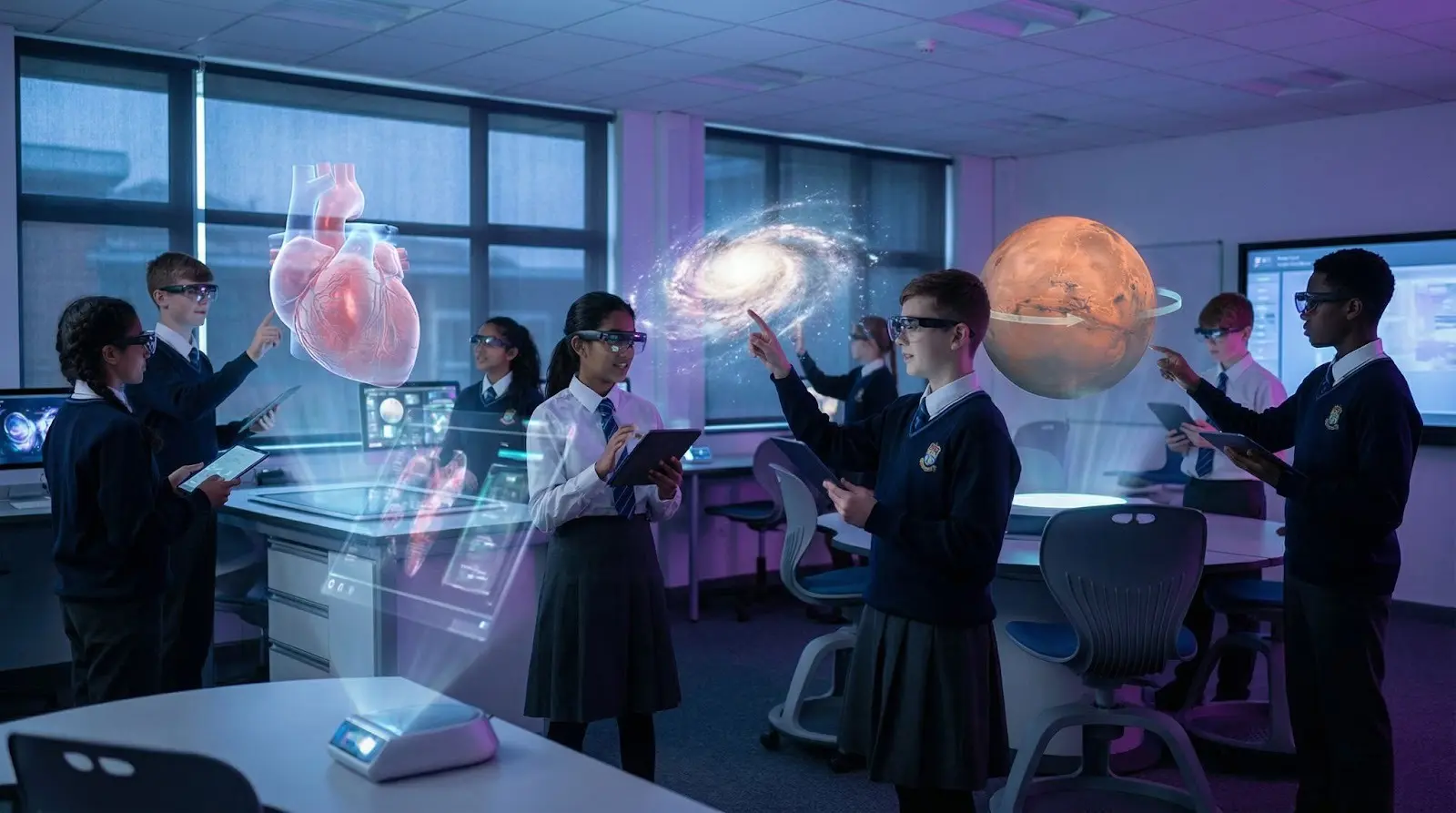
Education and Training
Students can explore 3D models of planets, human bodies, or historical artifacts. This makes learning more interesting and easier to understand.
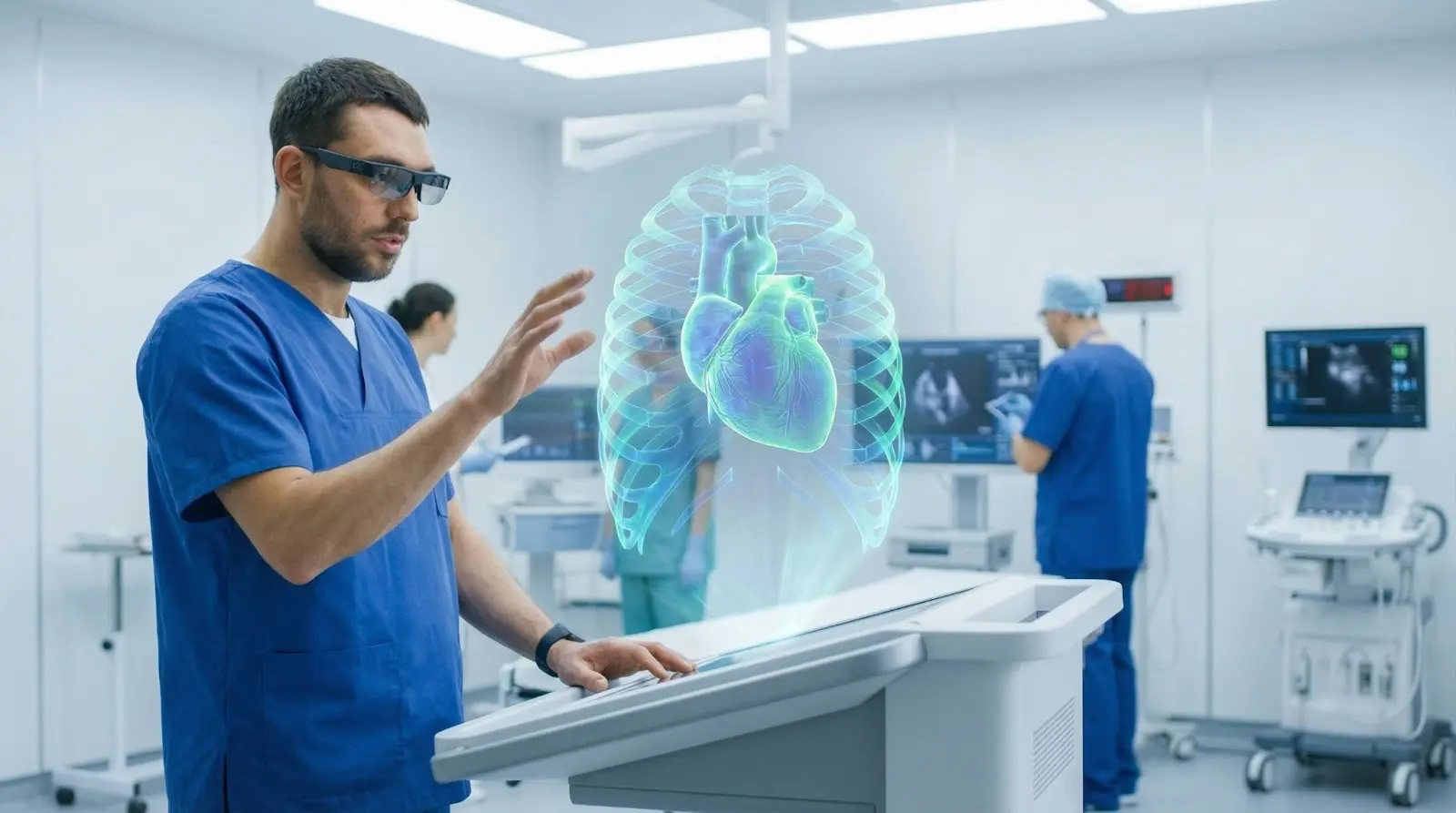
Healthcare
The holographic technology helps doctors to visualize organs, plan surgeries, and explain medical conditions to patients in a clearer way.

Entertainment and Media
Concerts, events, and even museums use holograms to create immersive experiences. Virtual performers and interactive shows are becoming more common.
Business and Communication
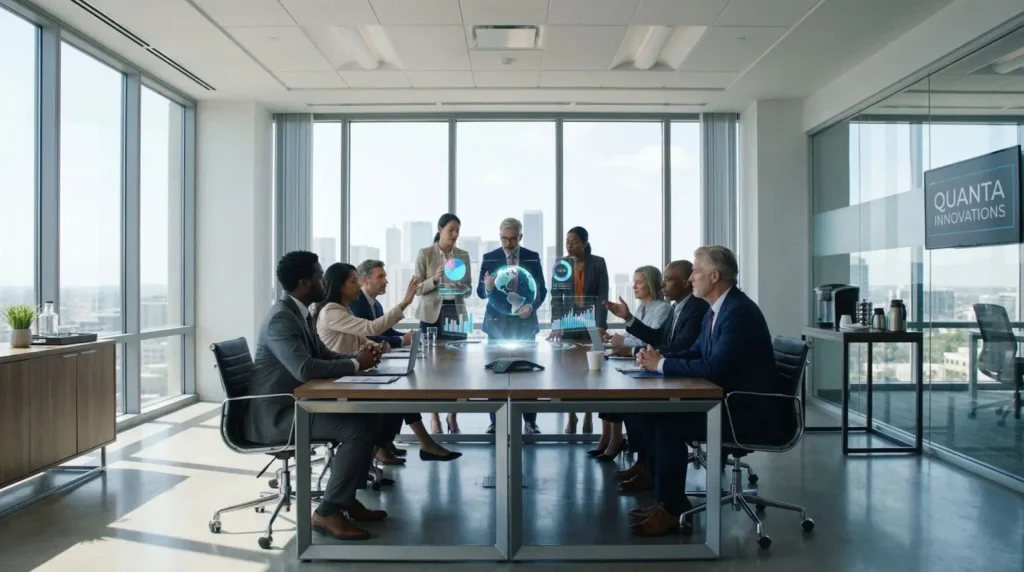
Holographic meetings enable people to appear as life-size 3D images, improving remote collaboration and reducing the feeling of distance.

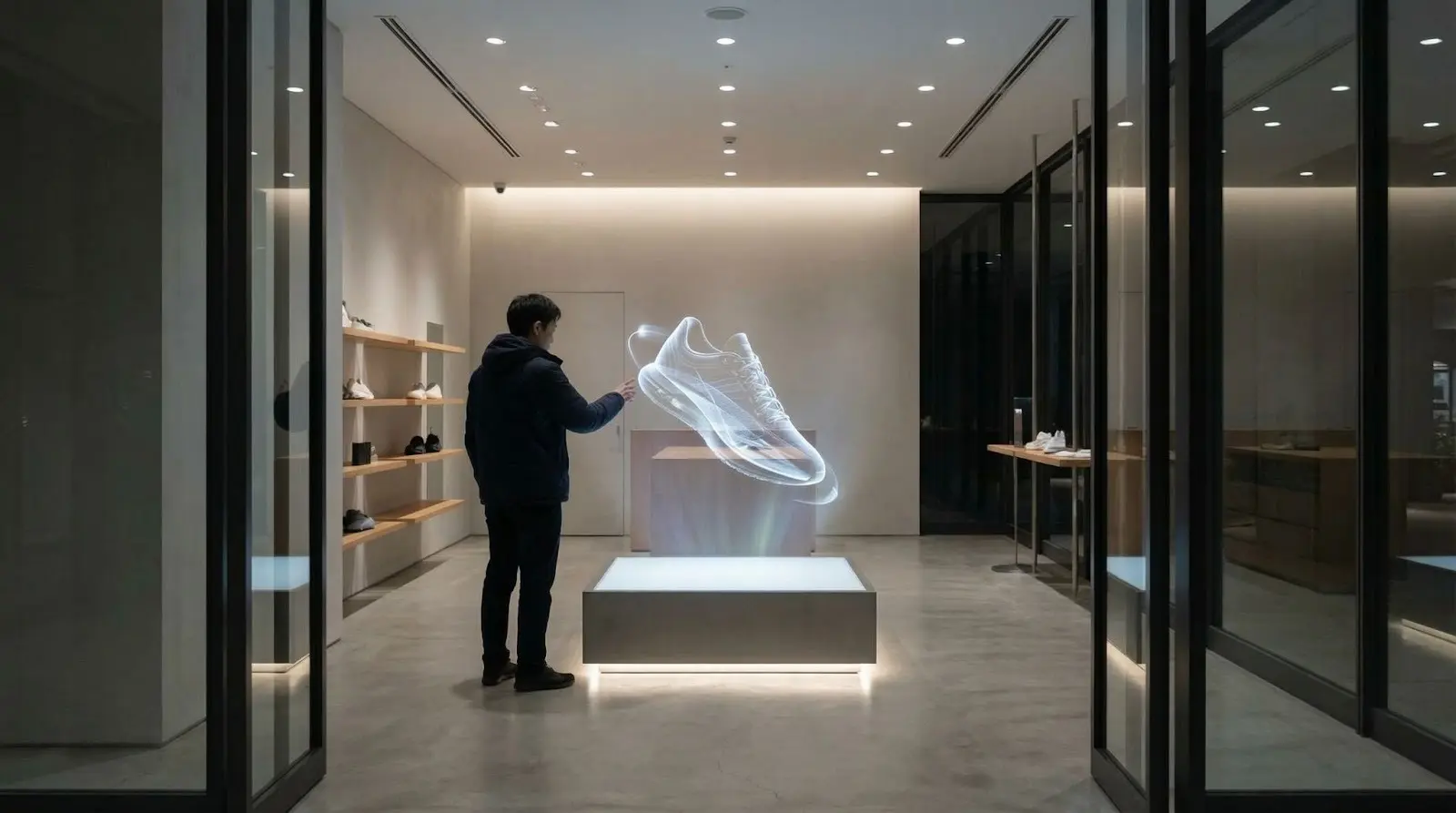
Retail and Advertising
Customers can view products as holograms before buying — rotating, zooming, and interacting with them in real time.
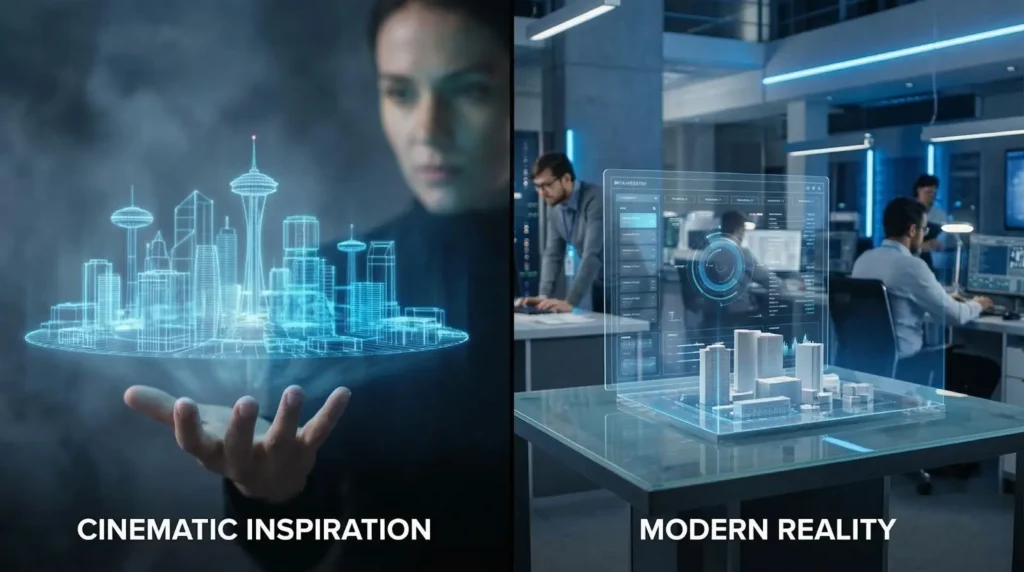
From Sci-Fi to Everyday Reality
For decades, what once existed in movies and TV shows. They seem to appear but unrealistically. Today, that gap between imagination and reality is closing.
The shift is taking place because technology is finally integrating with some creative concepts. With improvement in the capabilities of devices, holograms are transitioning into real-world settings, such as homes, offices, public spaces, as well as personal devices.
What makes this transition significant is the matter of accessibility. Holographic technology has moved well beyond being a tool for scientists and corporations. Start-ups, educators, and consumer users are beginning to enjoy its benefits.
The Future of 3D Experiences
Looking ahead, holographic technology will play a key role in shaping the digital future. It will blend physical and digital worlds seamlessly, creating experiences that feel natural and intuitive.
Future developments may include:
- Fully holographic smartphones
- Gesture-controlled interfaces
- Shared holographic spaces for teamwork
- More energy-efficient holographic displays
As technology evolves, holograms will become a normal part of daily life, kind of like how smartphones are today.
Curious About Holograms? Here’s What to Know
1. What is holographic technology?
It is a technology that creates 3D images that appear to float in space and shows depth from different angles.
2. Are holograms real or just illusions?
Modern holograms are real digital projections created using advanced light and display technologies.
3. Where is the holographic technology used today?
It is used in education, healthcare, entertainment, business meetings, and retail…
4. Are holograms interactive?
Yes, many holograms displays respond to gestures, movement, or voice commands.
5. Is holographic technology expensive?
Costs are reducing as technology improves, making it more accessible over time.
Conclusion:
Holographic technology is no longer just a futuristic idea; instead, it is becoming more of a practical and powerful tool. By transforming flat digital content into immersive 3D experiences.
As we move further into 2026, we will see even further advancements in holographic technology with opening new possibilities across industries and daily life. The future of digital interaction is no longer behind screens, but rather three-dimensional and interactive, closer than we ever imagined.
Sorry, the comment form is closed at this time.