

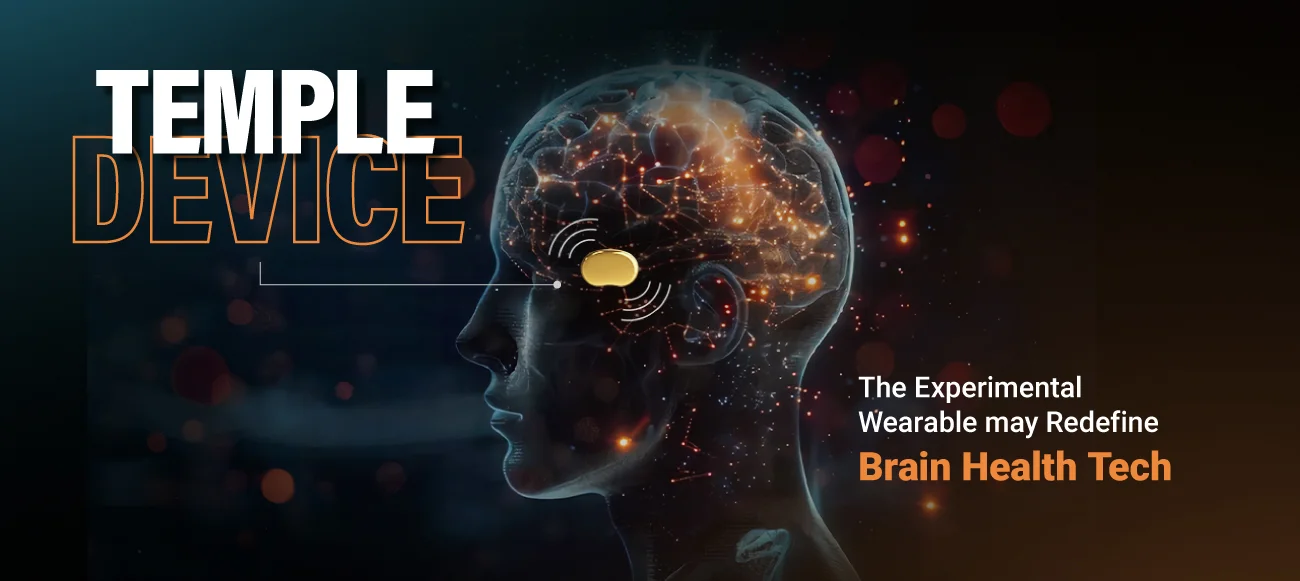
26 Jan Curious about the latest tech buzz – the “Temple Device”
In late 2025 and early 2026, a small metallic gadget worn near the temple of Zomato founder Deepinder Goyal, became one of the most talked-about topics on social media, news, and tech world. The device, simply called “Temple”, sparked a lot of curiosity, confusion, and controversy — from funny memes to serious questions from medical experts.
But what exactly is this Temple device?
Why is everyone talking about it? Is this the next big wearable? And will it ever be launched for consumers? Let’s break down everything you need to know in simple terms.
What Is the Temple Device?
Temple is a wearable health-tech device designed to monitor blood flow in the brain continuously and in real time. Unlike a fitness band or smartwatch that measures things like heart rate or steps, Temple focuses on measuring cerebral blood flow (CBF), which is an important indicator of brain health, ageing, and cognitive function.
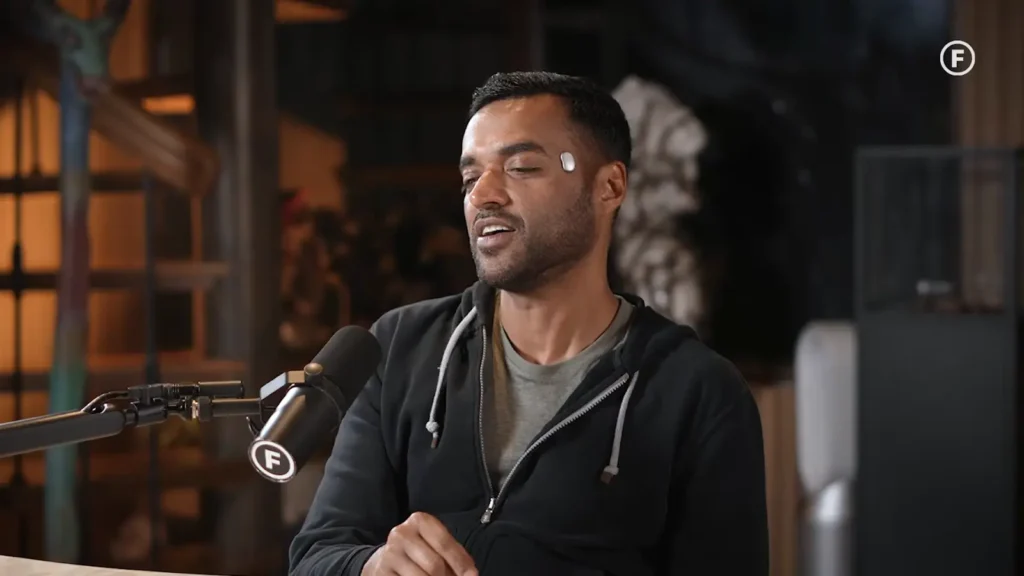
Goyal first mentioned the device after people noticed a small clip-like object on his temple during his appearance on Raj Shamani’s “Figuring Out” podcast — and the internet went wild with its theories.

The device looks like a tiny metallic patch that clips near to the side of the head. According to Goyal, it uses advanced sensors that could eventually measure blood flow similar to a miniaturized MRI, but for everyday use outside labs.
He explained that “Blood flow can show how the brain is ageing and functioning. Monitoring it continuously could offer insights into cognitive health and longevity,” – NDTV
When will it be launched?
One of the biggest questions readers ask is: “So, can I buy this device yet?”
Right now, the answer is: No — not yet. Temple is still in the prototype and testing stage, and the team behind it hasn’t announced an official public launch date.
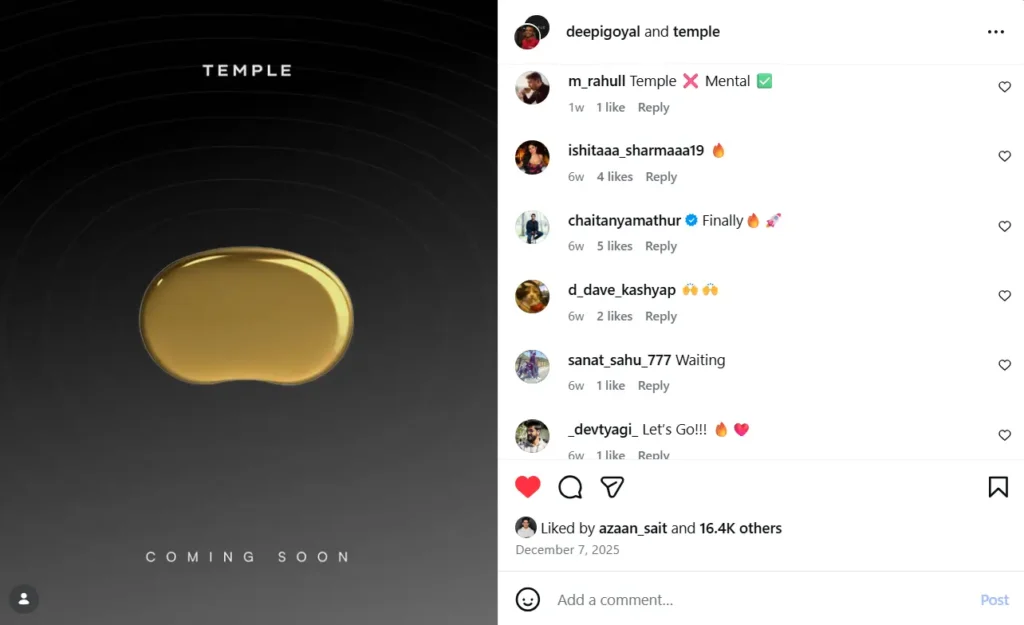
Goyal himself clarified this on social media, saying:
“We haven’t made any public commercial announcements about the Temple yet. We haven’t released any official device bench marking data. A lot of the work is still underway; we’re months away from introducing preview devices to the public, if at all.”
This means Temple might still be months away from even a preview release, and there’s no fixed price or official product date announced yet. The developers are clear that scientific data and thorough validation will come before it’s available for public use.

Why is Temple getting so much attention?
There are two main reasons Temple has captured public attention:
1. Because of the unexpected appearance
Seeing a business leader casually wear a device near his temple on a popular podcast was unexpected. Within minutes online reaction started — from people joking about how it looked to comparing it with small gadgets or sci-fi devices.
This unusual look made Temple a meme-friendly topic, which pushed it into the mainstream quickly.
2. Because it makes a Big Promise
Unlike typical wearables that track steps or heart rate, Temple claims it can track real-time brain blood flow,a serious medical measurement. Brain blood flow is connected to ageing, cognition, stress response, and brain health. The idea that a small wearable could monitor this outside of clinical labs is exciting — and controversial.
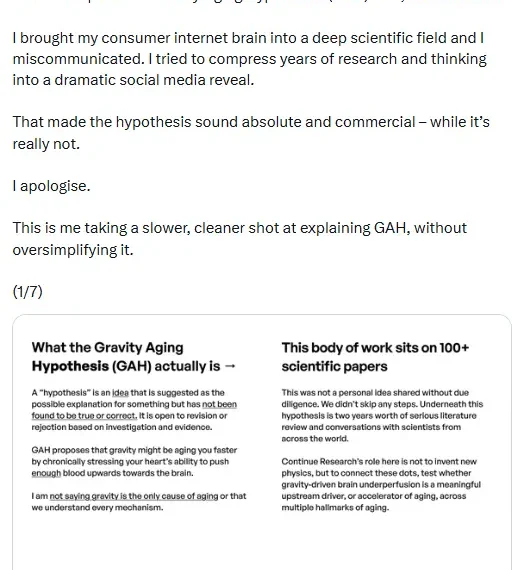
Goyal’s personal research focus — something he calls the “Gravity Ageing Hypothesis” also adds fuel to the conversation. The hypothesis suggests that gravity over time may reduce blood flow to the brain and contribute to ageing, though this is not widely accepted in mainstream science yet.
The Mixed Reactions:
A lot of the media attention around Temple isn’t just excitement — it’s debate.
Critics are suspicious, and some medical experts have raised concerns about Temple’s scientific validity:
Dr. Suvrankar Datta, a radiologist from AIIMS Delhi, called devices like the Temple a “fancy toy for billionaires” and said the current form has “zero scientific standing” as a medical tool. – Reddit
The core of the criticism is that Temple’s measurements have not yet proven against accepted medical diagnostics like MRI or Doppler ultrasound, and the science hasn’t been independently validated.
One expert also commented online: “Do not waste your hard-earned money on a gadget with no proven clinical benefit,”
Supporters on the other hand, emphasize innovation:
Goyal in his own words:
“We will share all the science if and when we decide to sell the Temple. Until then, be curious and cheer for Indian startups.”
This statement highlights how the debate around Temple is as much about innovation culture as it is about the technology itself.
The Bigger Picture: Is this the Future of Wearable?
Temple sits at the intersection of wearable tech, health monitoring, and longevity research. Even if Temple itself doesn’t become a mainstream product, it reflects a growing trend:
People want more actionable health insights from everyday technology.
Wearables are moving beyond steps and into scientific biomarkers.
Brain health, ageing, and cognition are becoming major areas of interest for tech companies.
For now, Temple remains a high-profile experiment, one that is generating discussion far beyond the tech community.
Final Thought
The Temple device is not yet a commercial product, but an experimental wearable designed to continuously monitor brain blood flow — something that hasn’t been done in consumer tech before. Its early appearance on public platforms triggered curiosity, skepticism, memes, and serious scientific debate.
Whether it becomes a groundbreaking health device or ends up being a footnote in wearable history, the device shows how innovation, science, and public curiosity collide in the digital age.
If you’re interested in wearable tech or brain health, it’s worth keeping an eye on Temple’s journey — from prototype to data release — as it unfolds in 2026 and beyond.
Sorry, the comment form is closed at this time.