

15 Jan BioTech: Where biological science and modern technology come together to build a sustainable future
Introduction
Biotechnology is one of the most influential and rapidly growing fields in modern science and engineering. It focuses on using living organisms, biological systems, and cellular processes to develop products and technologies that enhance human life and protect the planet. From medical breakthroughs to better farming techniques and industrial efficiency, biotechnology plays a role in almost every aspect of modern life. As global challenges such as population growth, climate change, and disease outbreaks rise, biotechnology offers sustainable, science-driven solutions to meet these demands.
“I think the biggest innovations of the 21st century will be at the intersection of biology and technology. A new era is beginning”- Steve Jobs
What is Biotechnology?
Biotechnology is basically the application of biological knowledge combined with engineering principles to create useful products and services. It involves the use of cells, enzymes, microorganisms, and genetic material to provide solutions in healthcare, agriculture, industry, and environment. Unlike traditional technologies, biotechnology works with living systems, making it highly adaptable, efficient, and eco-friendly.
The basic fundamentals of biotechnology rely on essential biological and engineering concepts. These include cell biology, genetics, molecular biology, microbiology, and biochemistry. Understanding DNA structure, gene expression, enzyme activity, and cellular metabolism is essential. Engineering principles such as process control, system optimization, and scale-up techniques help turn laboratory research into large-scale industrial applications. These fundamentals together form the backbone of biotechnology engineering.
Applications of Biotechnology in Healthcare
Biotechnology has revolutionized healthcare by improving disease prevention, diagnosis, and treatment. Biotech based diagnostic kits allow early disease detection, while vaccines and biologics help prevent and manage infections. Biotechnology also supports personalized medicine, where treatments are designed based on a patient’s genetic profile.
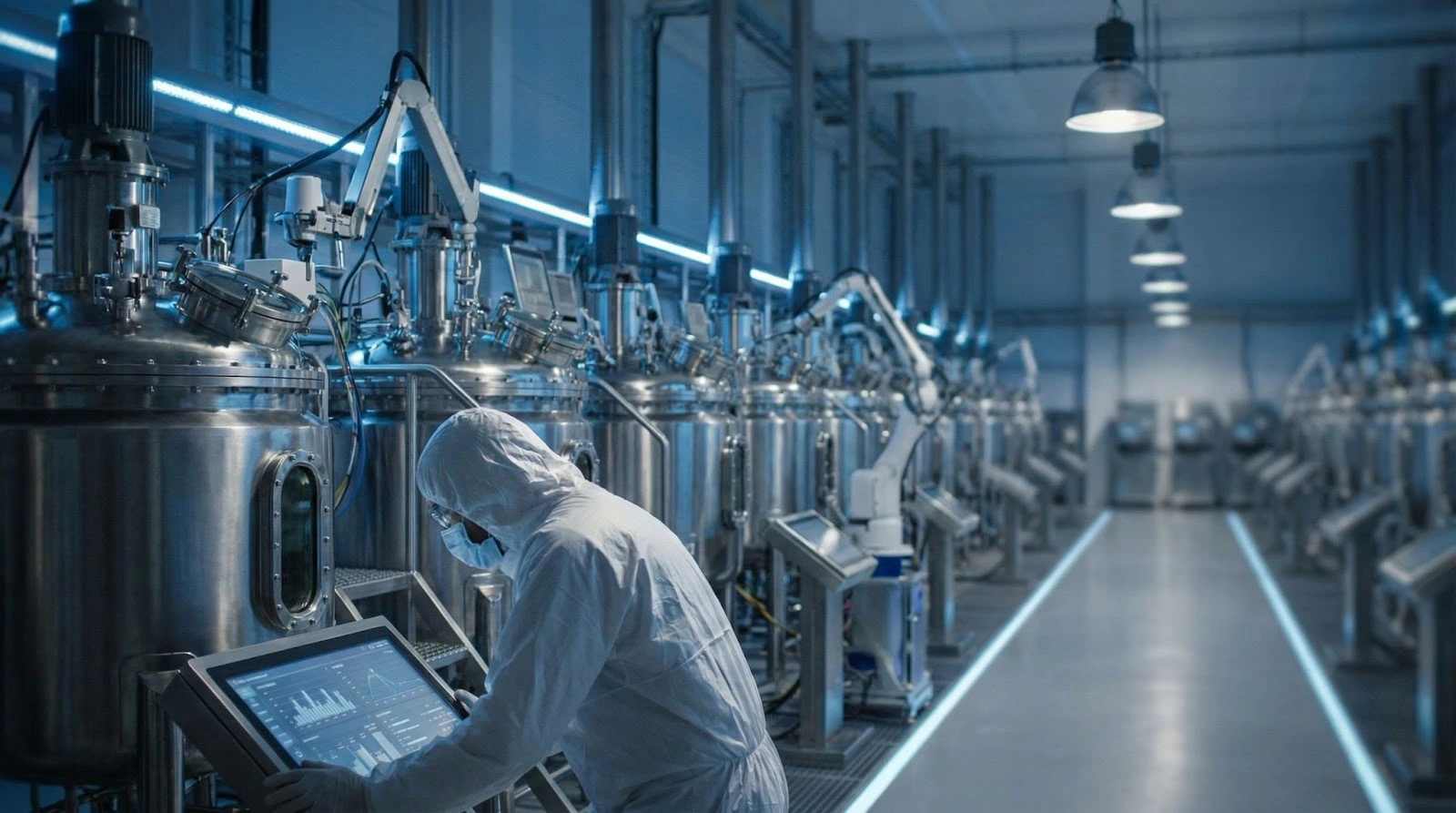
Biotechnology Engineering in Developing Drugs
The process of drug development and manufacturing has become faster and more efficient thanks to biotechnology engineering. Modern medicines such as insulin, growth hormones, and vaccines are produced by genetically modified microorganisms. As it is in the medical field enables the creation of biosensors, artificial organs, tissue engineering, and other medical devices. These developments improve patients’ lives, reduce side effects, and enhance treatment outcomes.
Genetic Engineering in Medicine
Genetic engineering plays a key role in treating genetic disorders and chronic diseases. Technology aims to replace or repair damaged genes. This field is also widely applied in cancer treatment, regenerative medicine, and stem cell research, opening new possibilities for curing diseases previously untreatable.
“Biotechnology has made it technologically possible to build the monster; patent law is making it politically possible” – Neil Gerlach
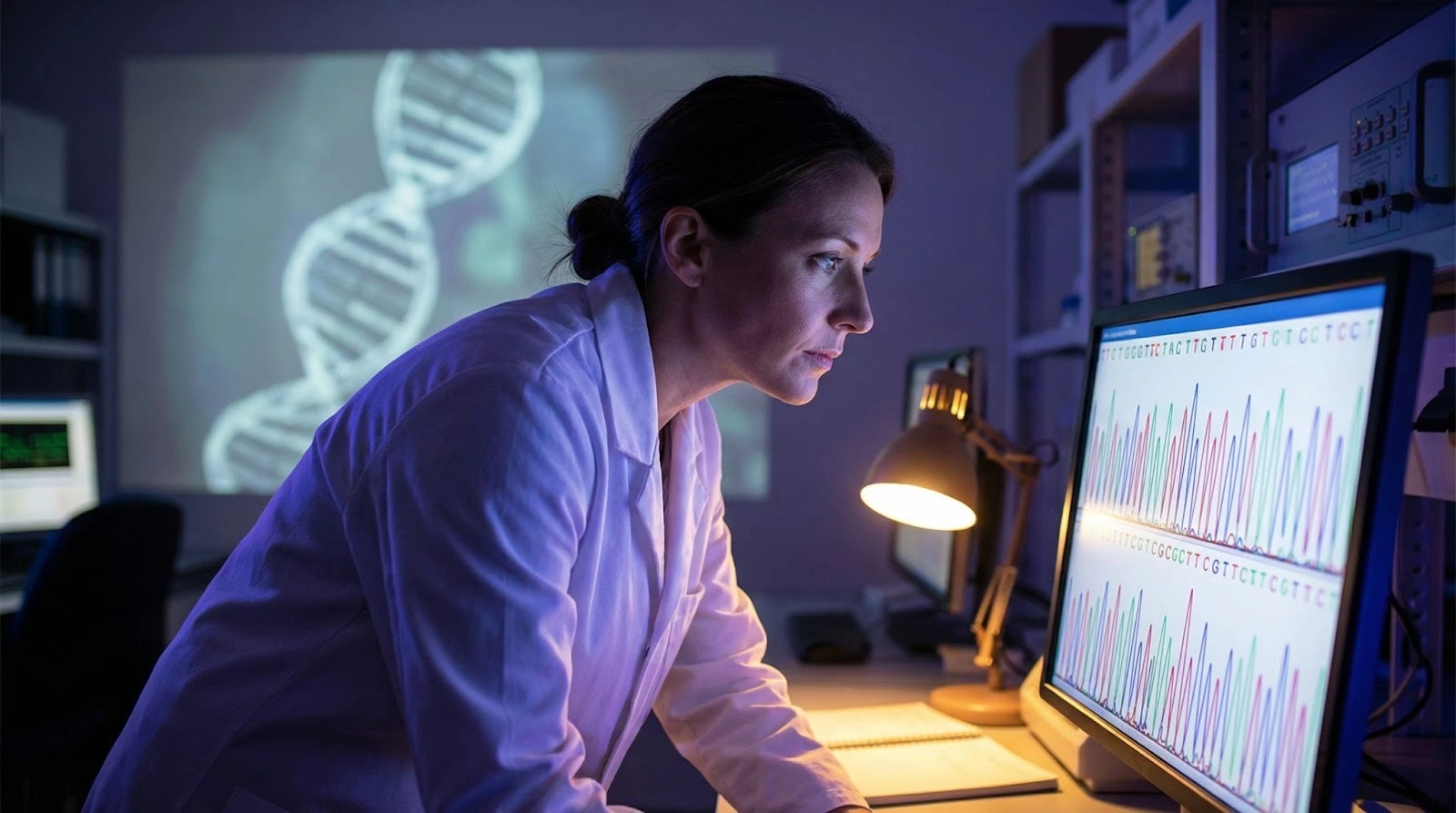
Biotechnology-Based Medical Solutions
Medical biotechnology supports the development of biosensors, artificial organs, tissue engineering, and advanced medical devices. These innovations improve patient care, enhance recovery, and increase life expectancy.
Biotechnology in Agriculture
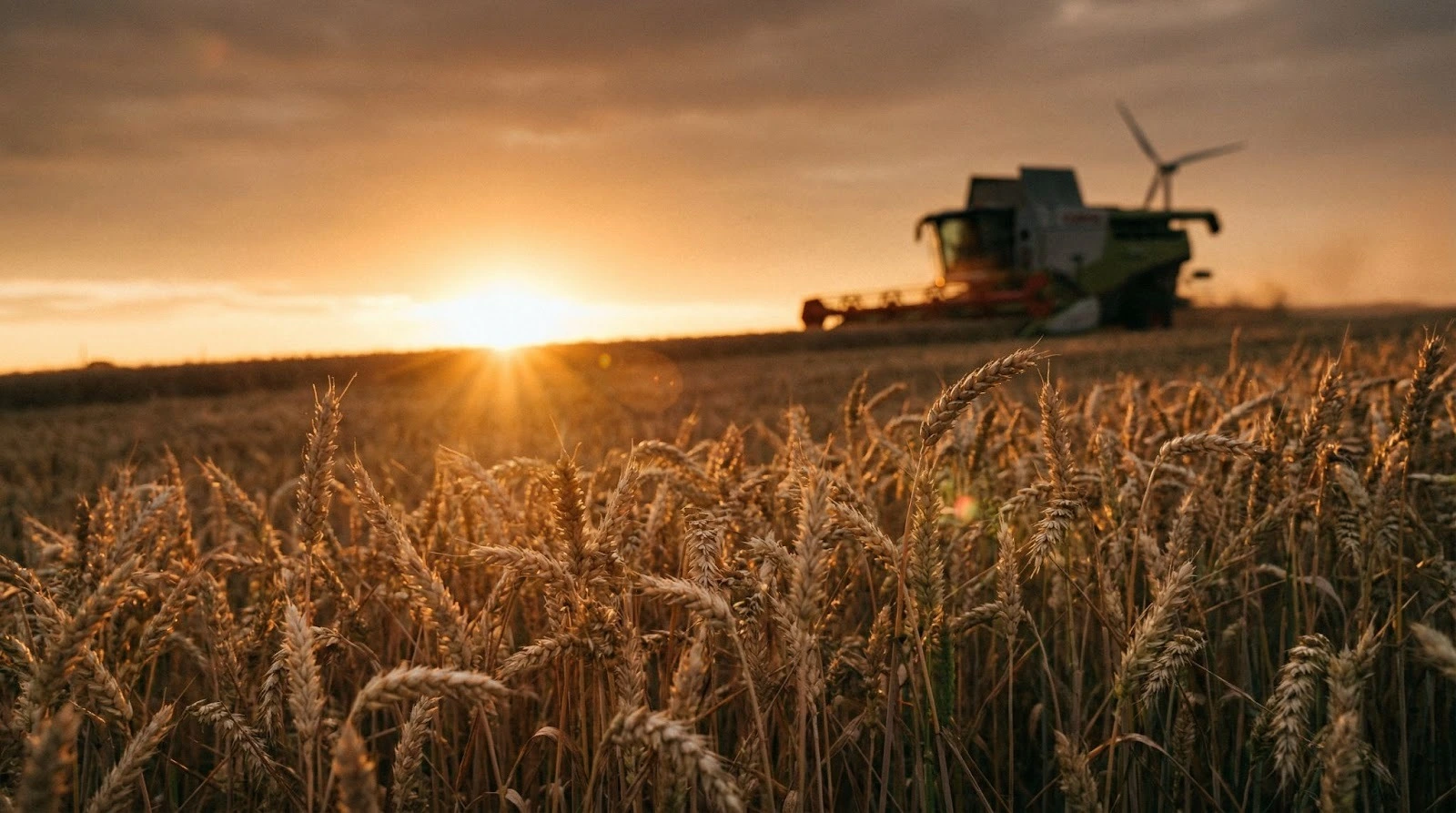
Role of Biotechnology in Crop Improvement
Biotechnology improves crop quality and productivity by enhancing resistance to pests, diseases, and environmental stress. It helps develop crops with higher yields, better nutritional value, and longer shelf life.
Biotechnology Engineering in Sustainable Agriculture
Biotechnology engineering encourages sustainable farming by reducing dependency on chemical fertilizers and pesticides. Bio fertilizers and bio pesticides support soil health and reduce environmental damage, promoting long-term agricultural sustainability.
Genetically Modified Crops Technology
Genetically modified crops aim to improve food quality and farming efficiency. These crops can tolerate drought, resist pests, and provide enhanced nutrition, helping farmers reduce losses and increase production.
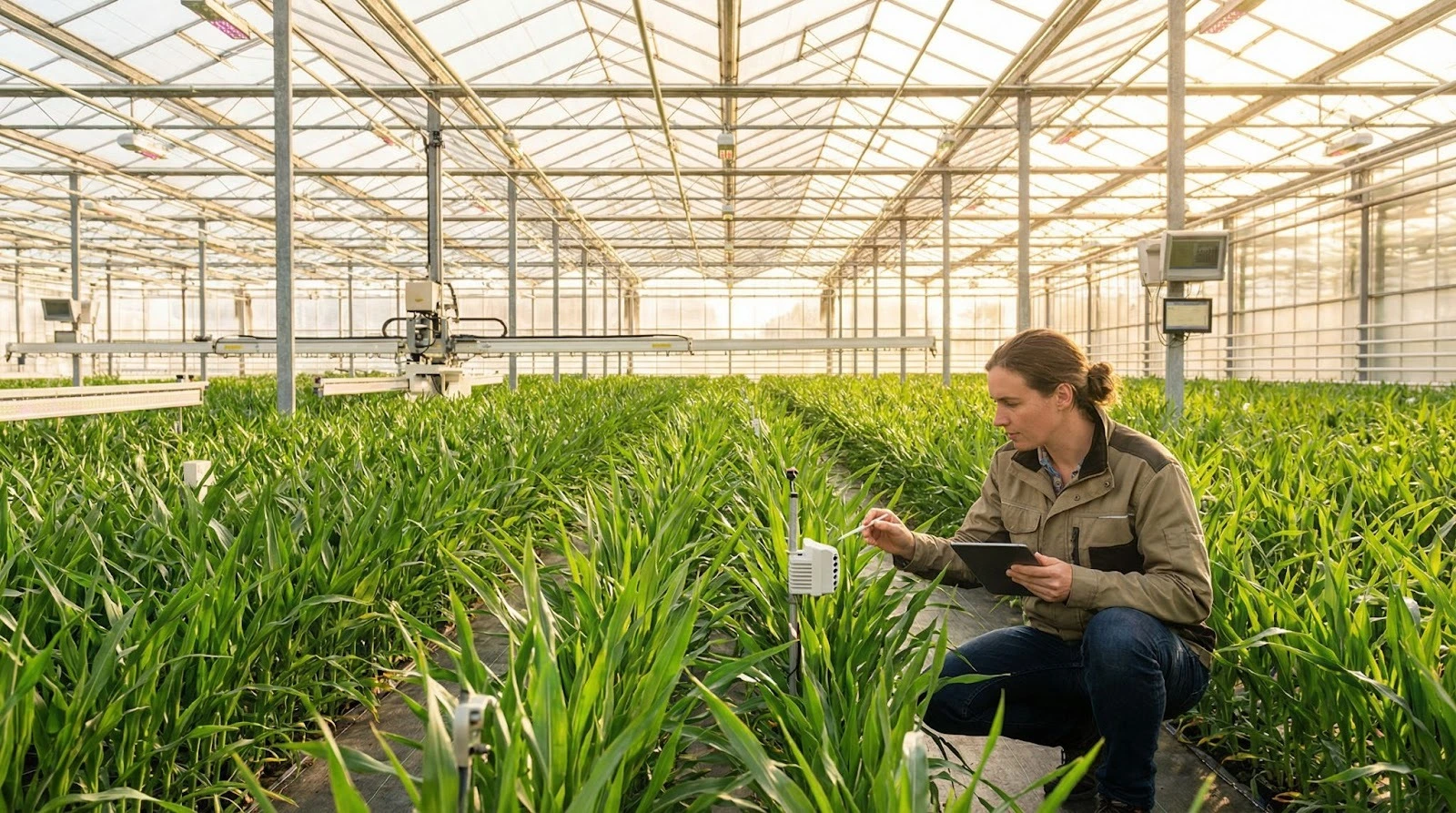
Biotechnology Solutions for Food Security
With the global population increasing rapidly, biotechnology ensures food security by boosting crop yield, reducing post-harvest losses, and promoting climate-resilient agriculture.
Industrial & Environmental Biotechnology
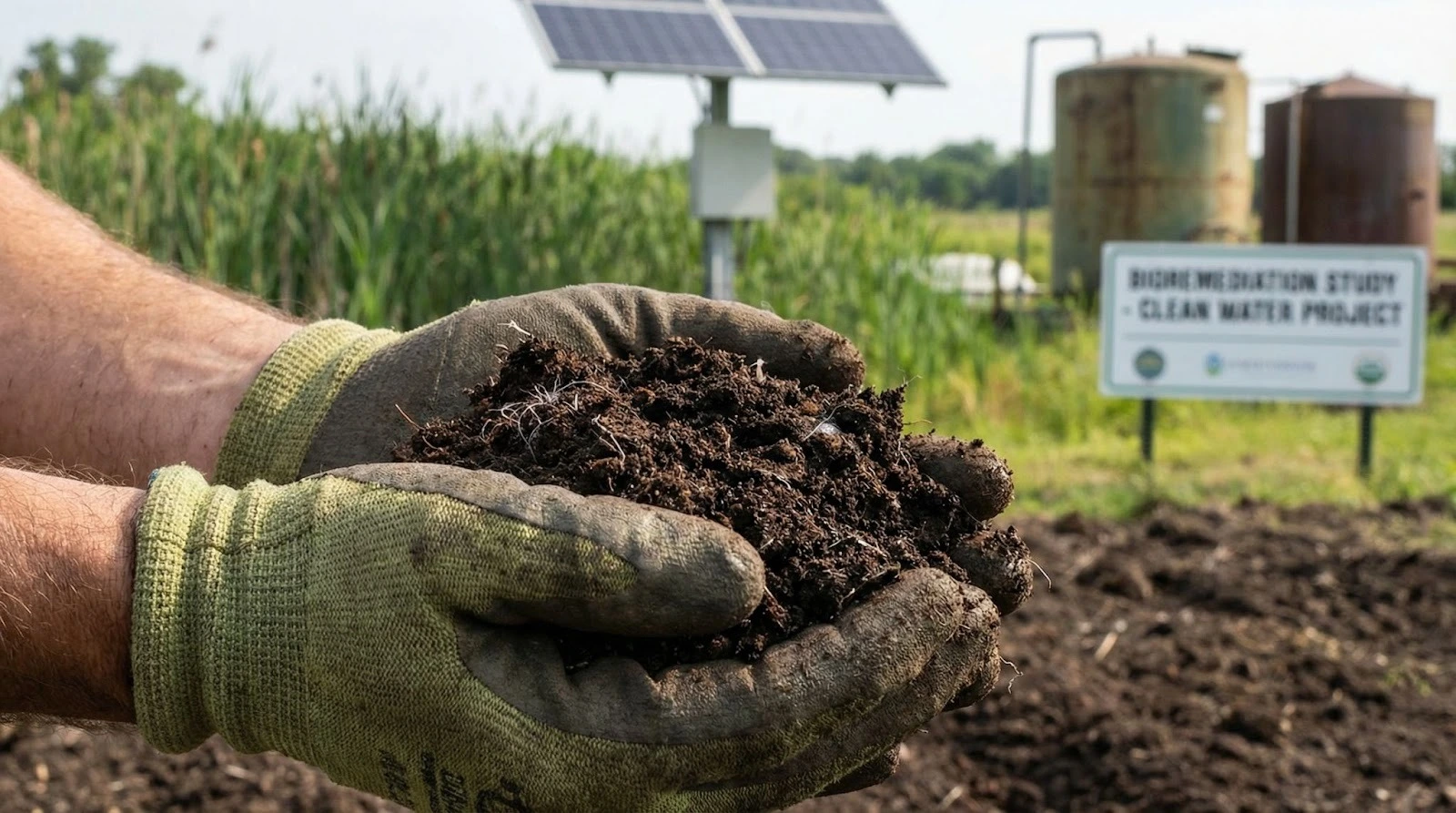
Biotechnology Engineering in Waste Management
Biotechnology engineering uses microorganisms to treat industrial and domestic waste. Biological waste treatment reduces pollution and converts waste into useful by-products such as biogas.
Biotechnological Solutions for Environmental Protection
Bio remediation uses bacteria, fungi, and plants to eliminate pollutants from soil and water. These eco-friendly techniques help restore polluted environments naturally.
Industrial Enzymes and Bio catalysts
Industrial biotechnology uses enzymes as bio catalysts to improve production efficiency. These enzymes reduce energy usage, reduce toxic waste, and increase sustainability in industries such as food, textiles, and pharmaceuticals.
Biotechnology in Renewable Energy
Biotechnology supports renewable energy production through bio-fuels like bio ethanol, bio diesel, and biogas. These energy sources reduce dependency on fossil fuels and cut greenhouse gas emissions.
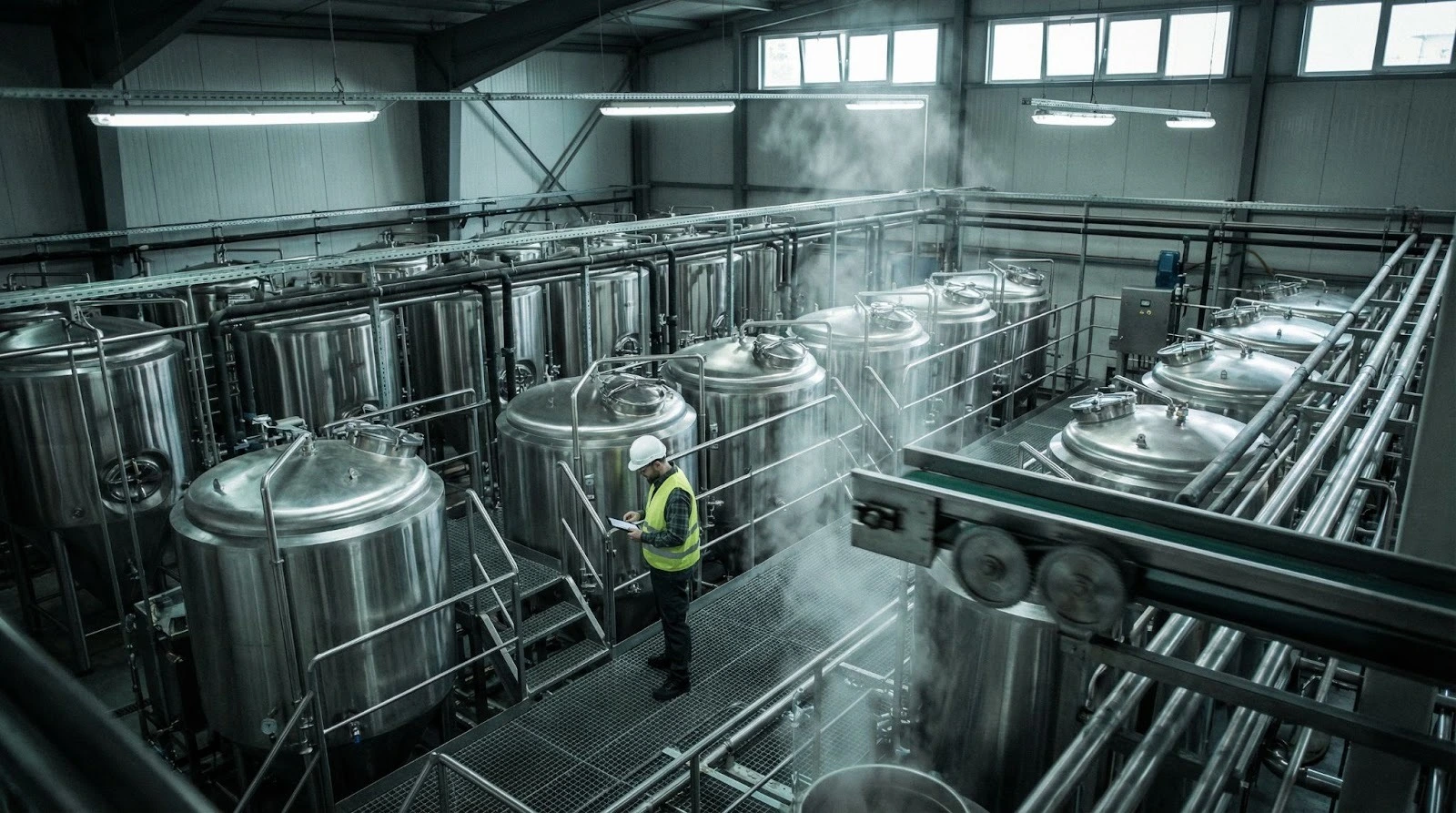
Biotech Tools and Technologies
Role of Bioreactors in Biotechnology Engineering
Bioreactors are important tools that provide controlled settings for biological reactions. They enable the large-scale production of vaccines, enzymes, antibiotics, and other biotech products.
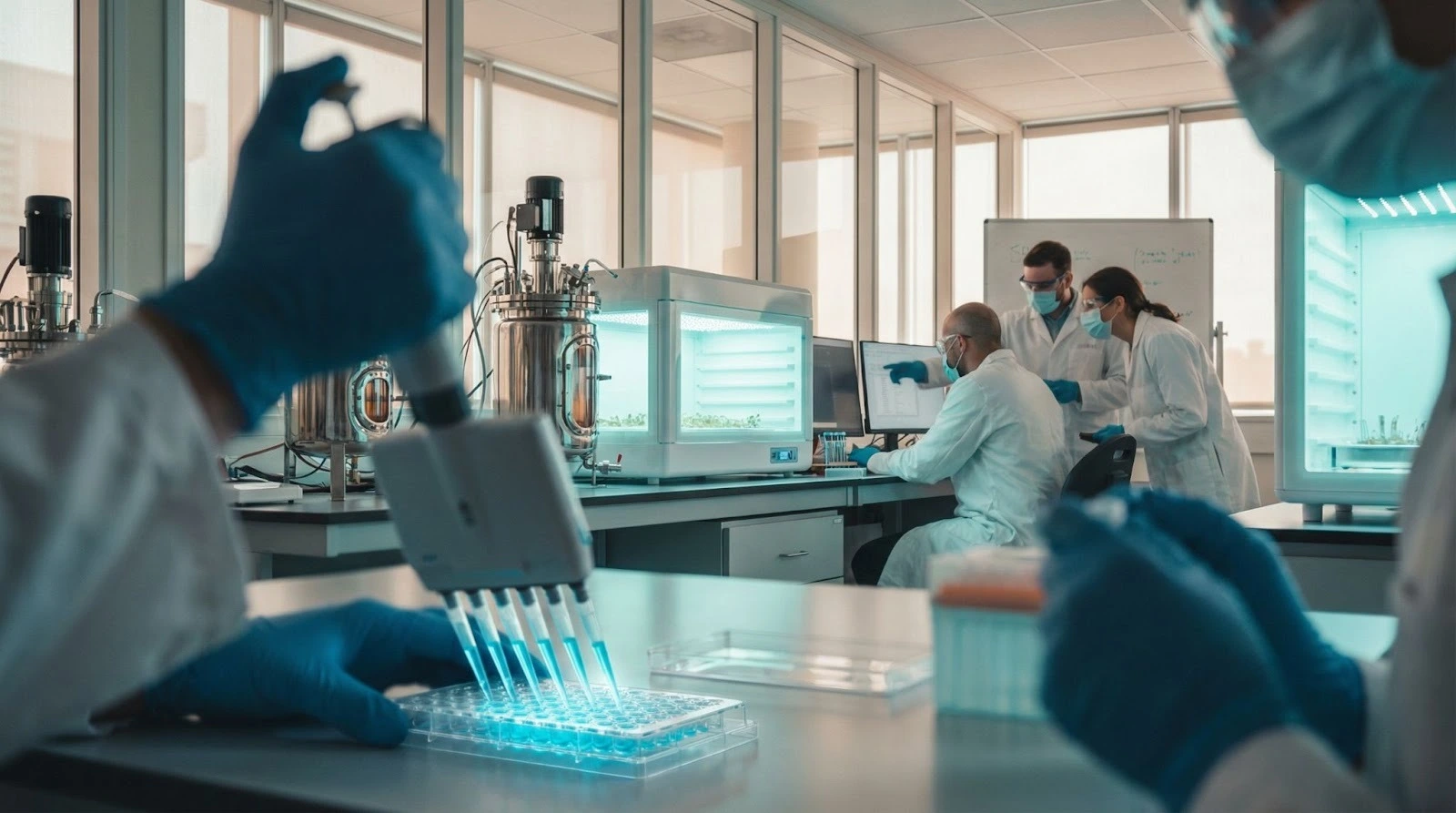
Biotechnology Laboratory Techniques
Common laboratory techniques include cell culture, fermentation, PCR, electrophoresis, chromatography, and microscopy. These techniques help analyze, modify, and utilize biological materials.
DNA Recombinant Technology
DNA technology enables scientists to insert specific genes into host organisms to produce valuable products such as insulin, vaccines, and enzymes. This technology is the foundation of modern biotechnology.
Computational Tools in Biotechnology
Tools like bio informatics, molecular modeling, and data analytic help analyze genetic data, predict protein structures, and accelerate research and drug discovery.
Future Scope of Biotechnology
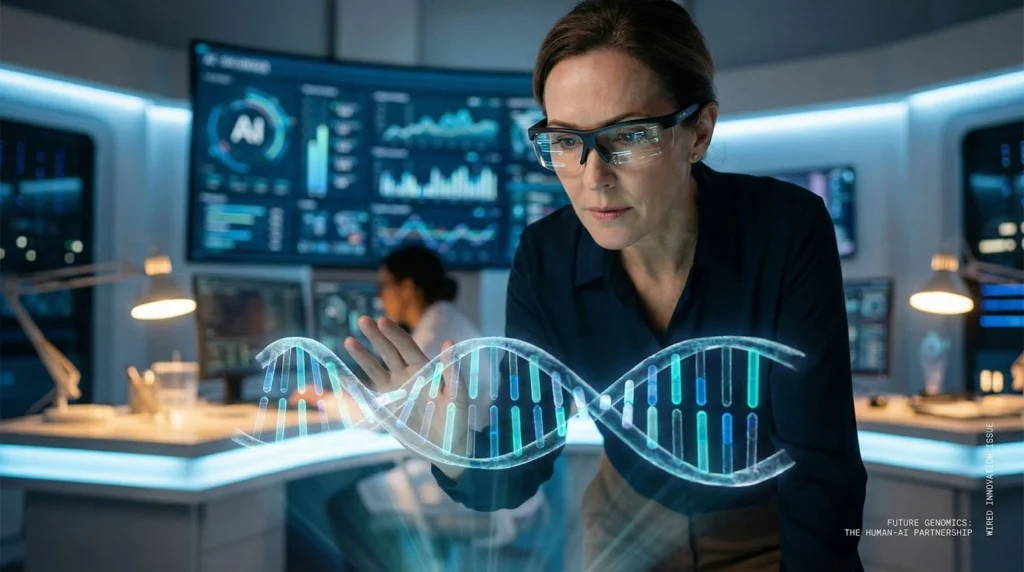
The future of biotechnology is very promising and closely connected to modern technology. In the coming years, biotechnology will focus more on personalized medicine, faster drug discovery, and advanced gene therapies. With the help of artificial intelligence, scientists will be able to develop medicines more quickly and accurately, making treatments safer and more effective for patients.
Biotechnology will also play a major role in building a sustainable future. New biotechnological methods will support climate-resilient crops, eco-friendly manufacturing, biofuels, and biodegradable materials. As biology and digital technology continue to merge, biotechnology will transform healthcare, agriculture, and industry, helping society solve global challenges in a smarter and more sustainable way.
Biotechnology – Interdisciplinary Engineering Field
Life Science Technology combines biological knowledge with modern engineering tools to develop innovative solutions.
Bio-Based Engineering Solutions replace traditional chemical processes with sustainable and eco-friendly biological methods.
Sustainable Technological Development emphasizes long-term environmental balance and responsible use of resources.
Biological System Engineering focuses on designing, analyzing, and managing complex biological systems efficiently.
Q&A Section
1. What is biotechnology?
Biotechnology is the use of living organisms and biological processes to develop useful products and technologies.
2. How is biotechnology used in healthcare?
Biotechnology helps in making vaccines, medicines, diagnostic kits, and personalized treatments.
3. What is genetic engineering in medicine?
Genetic engineering is the process of modifying genes to treat or prevent genetic diseases.
4. Why is biotechnology important for sustainability?
It supports eco-friendly solutions in agriculture, healthcare, and industry while protecting the environment.
5. What is the future scope of biotechnology?
Biotechnology will advance healthcare, food security, renewable energy, and sustainable development.
Conclusion
Biotechnology is a dynamic and interdisciplinary engineering field that bridges life sciences with modern technology. Its applications in healthcare, agriculture, industry, and environmental protection make it crucial for sustainable global development. With rapid advancements and integration with artificial intelligence and computational tools, biotechnology will keep shaping a healthier, greener, and more technologically advanced future.
Sorry, the comment form is closed at this time.