

13 Apr The Era of Green Aviation: Where Technology transforms Sustainable Flyings
Aviation has transformed how connected the world is, becoming the most effective mode of transportation. Yet there is an evident disadvantage to such a fast-paced development – the growing ecological footprint left behind by the aviation industry. With increased carbon dioxide emissions and fuel burning, airlines need to change their policies.
Nowadays, the aviation industry is shifting towards sustainable practices, where innovation meets sustainability, embracing technologies such as artificial intelligence, the Internet of Things, and big data analysis.
What is Green Aviation?
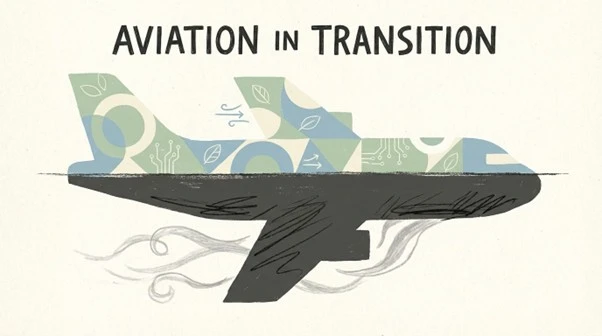
Green aviation refers to the development of eco-friendly aircraft technologies, sustainable aviation fuels (SAF), and optimized aviation operations to reduce environmental impact.
In simple terms:
It means making air travel cleaner, smarter, and more efficient.
It includes:
- Reducing carbon emissions
- Improving fuel efficiency
- Using renewable energy sources
- Designing green aircraft and infrastructure
Why Green Aviation Matters
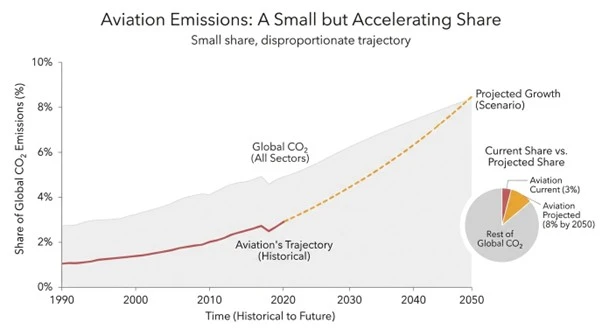
The aviation industry contributes around 2–3% of global CO₂ emissions, and this is expected to rise with increasing air travel demand.
Key challenges:
- High carbon footprint
- Climate change impact
- Rising fuel costs
- Strict environmental regulations
This makes aviation decarbonization a global priority.
Technologies Behind Green Aviation
The advancement in aviation technology has been made possible through the use of technologies such as artificial intelligence, IoT, and big data analytics, among others.
Main Technologies:
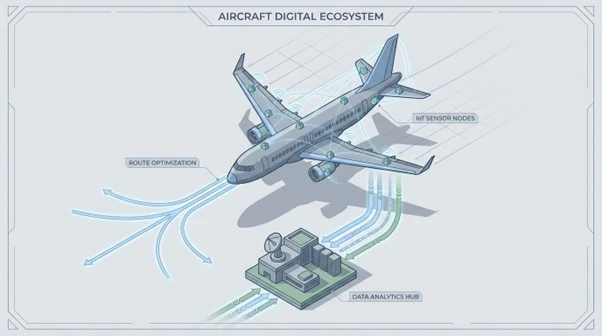
• Artificial Intelligence (AI): Helps in optimizing flight routes and minimizing fuel consumption
• Internet of Things (IoT): Supports real-time monitoring
• Data Analytics: Facilitates better decision-making
Fuel Innovations and Engineering Solutions
While technology ensures that the procedure is efficient, sustainable fuels and engineering solutions bring about a full circle for green aviation. Sustainable Aviation Fuels
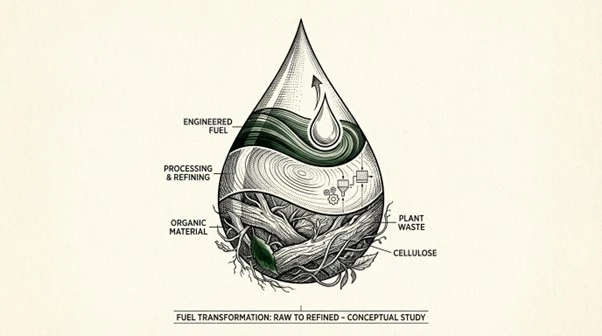
• Utilized from renewable sources
• Reduces greenhouse gas emissions by 80%
• Created through the development of the sustainable aviation fuel industry
Key Points:
• Kinds of sustainable aviation fuel and their manufacturing process
• Benefits of using sustainable aviation fuel
• Economic aspects related to sustainable aviation fuel
Problem:
The price of sustainable aviation fuel exceeds that of regular fuel.
Emerging Airplane Technology
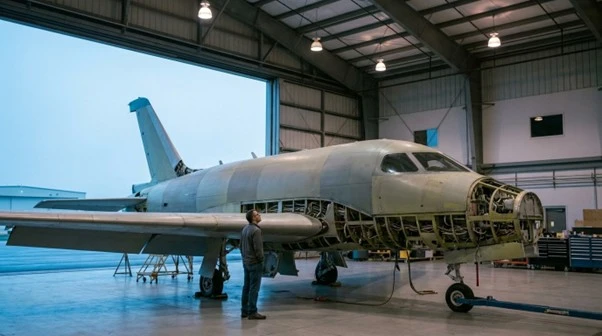
• Hydrogen-fueled airplanes
• Electric power plants
• State-of-the-art environmentally friendly engine airplane technology
This technology will be instrumental in forming the future of aircraft technology.
Recent Trends & Updates in Green Aviation
Green aviation is moving forward very fast, gaining momentum among airlines, government, and investors.
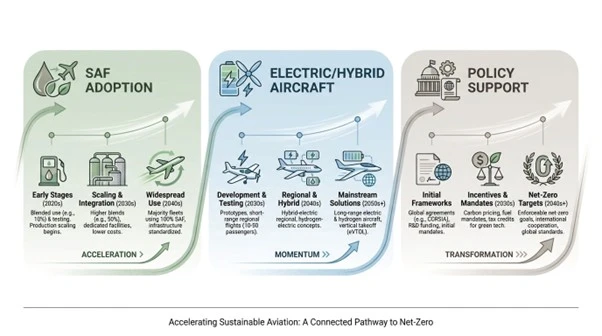
Airlines Increasingly Using SAF
Airlines are increasingly using SAF even if there is a problem with costs. Long-term agreements with suppliers demonstrate their determination to go green. Several commercial flights have already operated using SAF.
Rise of Electric & Hybrid Aircraft
Innovations in electric and hybrid aircraft are transforming short-haul travel. These aircraft aim to reduce fuel dependency, lower emissions, and support ultra-efficient aviation systems.
Government Policies & Support
Governments are introducing:
- Funding for green aviation projects
- Policies supporting sustainable fuels
- Environmental regulations for emissions control
This policy framework is accelerating global adoption.
Investment Growth & Market Trends
There is a surge in:
- Green aviation investment opportunities
- Growth in green aviation startups
- Expansion of green aviation market size
Investors are recognizing the long-term potential of sustainable aviation.
Technological Advancements
· Green Aviation Material Improvement: There is an ongoing development of sustainable and light-weight materials that can be used to make aircraft lighter.
· Engine Performance Improvements: Modern engine technologies are making the engines more efficient while reducing noise and carbon emissions.
· Advanced Green Aviation Solutions Technology: The application of advanced technological solutions, such as AI, is becoming more prominent in the aviation industry.
More Challenges to Overcome
Even though there have been many improvements, there remain:
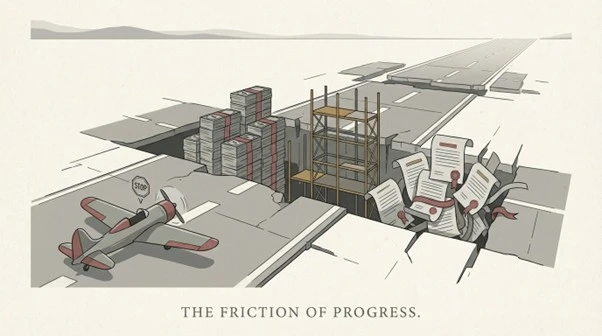
· High Price of Sustainable Aviation Fuel and Required Infrastructure: The price of such fuel is higher compared to the usual one, and the necessary infrastructure is currently insufficient, which makes large-scale implementation impossible.
· Scalability Problems: New innovations like electric planes and hydrogen-powered ones are only at an experimental stage.
· Regulations: Aviation has always been strictly regulated by certain rules and certification procedures, which takes too long.
Future of Green Aviation
The future of aviation lies in combining technology and sustainability.
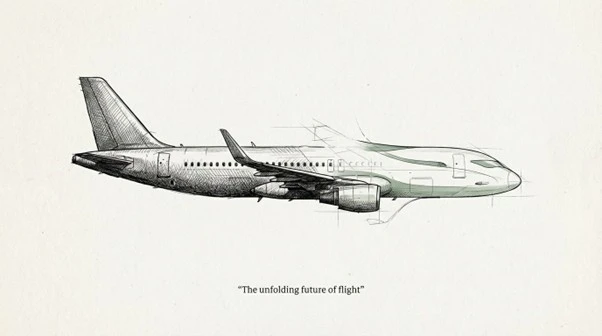
What’s ahead:
- Advanced aircraft design and materials
- Increased research and innovation
- Stronger global regulations
- Goal of net-zero emissions by 2050
Expert Insight:
Sustainable aviation will depend on a multi-layered approach:
- Smart digital technologies
- Clean energy solutions
- Efficient operational systems
Frequently Asked Questions:
1. What is green aviation?
Green aviation refers to efforts to reduce the environmental impact of air travel through sustainable fuels, advanced technologies, and efficient operations.
2. How does AI contribute to green aviation?
AI helps optimize flight routes, improve fuel efficiency, and enable predictive maintenance, reducing emissions and operational waste.
3. What is sustainable aviation fuel (SAF)?
SAF is an eco-friendly alternative to traditional jet fuel, made from renewable sources, and can significantly lower carbon emissions.
4. What are the main challenges in green aviation?
Key challenges include high costs, limited infrastructure, scalability issues, and complex regulatory requirements.
5. What is the future of green aviation?
The future focuses on net-zero emissions by 2050 through innovations in clean fuels, smart technologies, and sustainable aircraft design.
Conclusion
Green aviation is no longer a concept of the future — it is happening now. With the integration of AI, IoT, data analytics, and sustainable fuels, the aviation industry is steadily transforming into a more efficient and environmentally responsible system.
While challenges remain, continuous innovation, investment, and global collaboration are driving the industry forward.The journey toward sustainable skies is complex, but one thing is clear:
The future of aviation will be green, smart, and sustainable.
Sorry, the comment form is closed at this time.