
19 Jan Welcome to the Future of Marketing – Engage, Interact, Innovate in the Metaverse
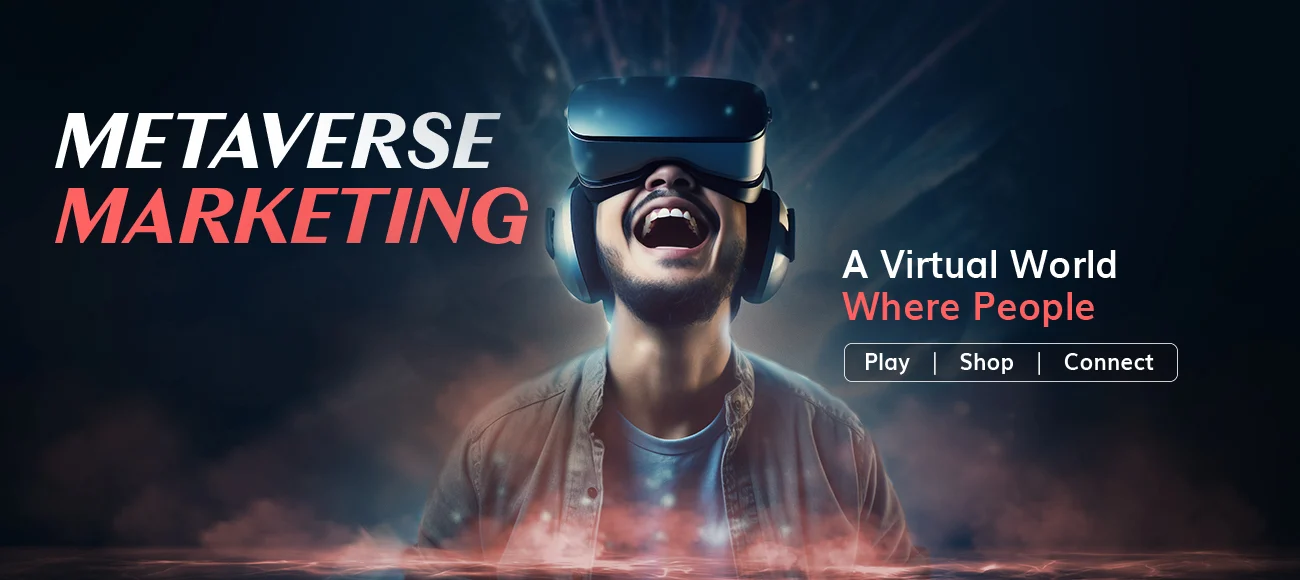
The metaverse is a new, unique, and immersive virtual world that is rapidly transforming the internet. The way businesses connect with customers is constantly evolving, and one of the most exciting changes today is the rise of the metaverse. It is not just a tech buzzword — it’s a fully realized digital world where people can interact, shop, play, and even work in immersive 3D environments.
For the first time, the metaverse has entered mainstream conversation, and people are beginning to recognize it for what it truly is — a new digital reality offering fresh ways to interact, communicate, transact, play, and work.
— Stephanie Pell, CEO of Meta Avatars and Digital Fashion
What is Metaverse?
The metaverse is a vast virtual space on the internet where people interact with each other and digital objects using technologies such as Virtual Reality (VR), Augmented Reality (AR), and Artificial Intelligence (AI). Think of it as a blend of social media, gaming, and online shopping, but in 3D worlds where users experience a strong sense of presence.

“Virtual Reality + Augmented Reality + AI = Metaverse”
Instead of only browsing a digital store on clothing, one can enter a virtual store, try on outfits digitally with an avatar, and even purchase it for real life or for their digital identity.
Why does the Metaverse matter for Marketing?
Marketing has always been about meeting people where they spend their time—and today, more of that time is spent in virtual worlds. Millions of users are exploring platforms like Roblox, Decentraland, Horizon Worlds, and Fortnite, creating vibrant spaces where traditional ads just don’t make the cut.
In the metaverse, brands can go beyond static campaigns and create immersive experiences that let customers explore, play, and engage with products in ways that feel personal and memorable. It also opens up exciting new opportunities, from digital collectibles and NFTs to virtual fashion and accessories, while connecting companies with younger, tech-savvy audiences who value interaction over interruption.
Embracing the metaverse isn’t just about keeping up—it’s about leading the way. Brands that innovate here can forge deeper connections, inspire loyalty, and shape the future of digital marketing in a world where the line between reality and virtual experiences is fading.
Key Strategies in Metaverse Marketing
Virtual Stores and Showrooms
Brands can create 3D stores where users walk around, try items, and make purchases. Example: Nike launched “Nikeland” on Roblox.


Virtual Events and Experiences
Hosting concerts, product launches, or fashion shows in the metaverse can attract large audiences. Example: Travis Scott’s virtual concert in Fortnite attracted 12 million viewers
Brand Placement in Games
Just like physical billboards, brands can place digital ads or products in popular metaverse games.


Digital Collectibles (NFTs)
Companies can sell or give away NFTs (unique digital assets) to create exclusivity, loyalty, and community.
Interactive Avatars & Engagement
Brands can offer branded outfits or accessories for avatars, allowing customers to connect with the brand in a personal way.

Benefits of Metaverse Marketing
- Global Reach: Anyone from anywhere can access your brand virtually.
- Higher Engagement: Customers don’t just see the product—they interact with it.
- Personalization: Experiences can be customized to each user.
- Cost Reduction: Hosting events or showcasing products virtually can be more effective than physical versions.
- Brand Loyalty: Immersive experiences help create emotional connections, increasing customer loyalty.
- Sustainability: Virtual events reduce travel, printing, and physical resource use, making marketing eco-friendly.

Challenges faced in Metaverse Marketing
- Technology Access: Not everyone owns VR headsets or high-tech devices.
- Privacy & Security: Data protection is a major concern in virtual worlds.
- Brand Fit: Not every product fits into a metaverse setting.
- Uncertain Standards: Since the metaverse is still developing, marketing rules are not yet defined.
- Content Overload: Too many virtual ads or experiences can overwhelm users if not done creatively.
- ROI Measurement: Tracking returns on virtual campaigns is still evolving and can be tricky.
The Future of Digital Branding
The metaverse is still in its early stages, but its potential is huge. In the near future, shopping, entertainment, and even social interactions could shift into these immersive spaces. Brands that explore the metaverse today can stay ahead of the competition, create unforgettable experiences, and build stronger connections with digital-first audiences.
With advancements in VR, AR, AI, and blockchain, marketing in the metaverse will become more personalized, interactive, and measurable. The line between physical and digital experiences will continue to blur, offering endless opportunities for creativity, engagement, and revenue.
The brands that embrace this shift will not only capture attention but also shape the future of digital marketing, turning virtual experiences into lasting real-world impact.
Mostly Frequently Asked Questions:
- What is Metaverse Marketing?
A: It’s marketing inside immersive virtual worlds where users interact with brands through 3D experiences, NFTs, virtual events, and digital goods instead of traditional ads.
- Why should brands care about the Metaverse?
A: With virtual interactions rising and an estimated 25% of people spending ~1 hour daily in metaverse spaces by 2026, brands can connect with digital‑first audiences in new, memorable ways
- What are key Metaverse marketing strategies?
A: Brands build virtual stores, host immersive events, issue NFTs for loyalty, and integrate avatar engagement to deepen connections beyond screens
- Are there challenges with Metaverse marketing?
A: Yes — tech access, evolving standards, privacy concerns, and uncertain ROI remain hurdles as the space develops
- Is the Metaverse trend growing or slowing in 2026?
A: Yes! While some big companies focus more on AI, the use of virtual worlds for fun and marketing is still expanding globally.
Conclusion
Metaverse marketing is not just about advertising — it’s about creating memorable experiences. By blending creativity with technology, brands can connect with customers in ways that feel personal, engaging, and futuristic. As the boundary between the physical and digital world continues to fade, the metaverse will play a key role in shaping the future of marketing.
Sorry, the comment form is closed at this time.