

02 Mar 3D Bioprinting: Printing Living Tissues for a Better Tomorrow
Life is different now because of technology. Printing human tissues or organs might happen one day. To how printers make paper copies. It may sound like something from a science fiction movie. 3D bioprinting is making this idea a reality.
In years 3D bioprinting has become one of the most exciting inventions in biology and medicine. Scientists are now working on printing skin, cartilage and organ-like structures to help people live longer and healthier lives.
Let’s understand this technology in a simple way.
What is 3D Bioprinting?
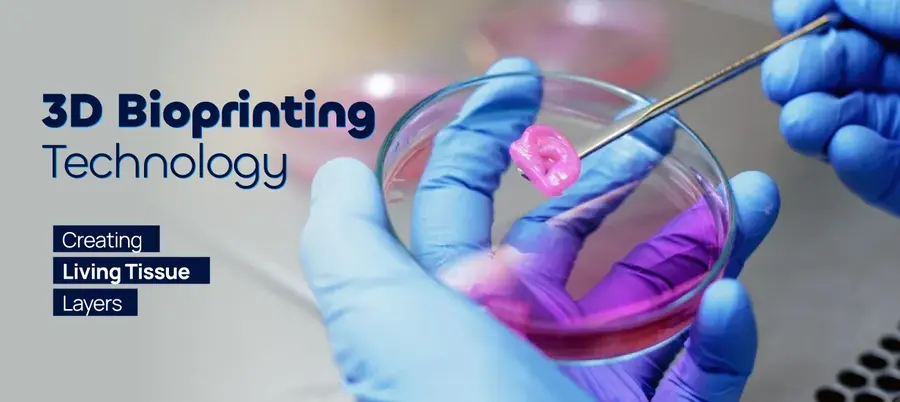
3D bioprinting is a type of 3D printing that uses living cells and biomaterials instead of plastic. The goal is to create structures that behave like human tissues.
In 3D printing machines make objects layer by layer using materials like plastic. In 3D bioprinting the printer uses a material called bio-ink which contains living cells. These cells are placed layer by layer to form tissues.
For example scientists can print skin tissue to help burn victims recover faster.
Types of 3D Bioprinting Technologies
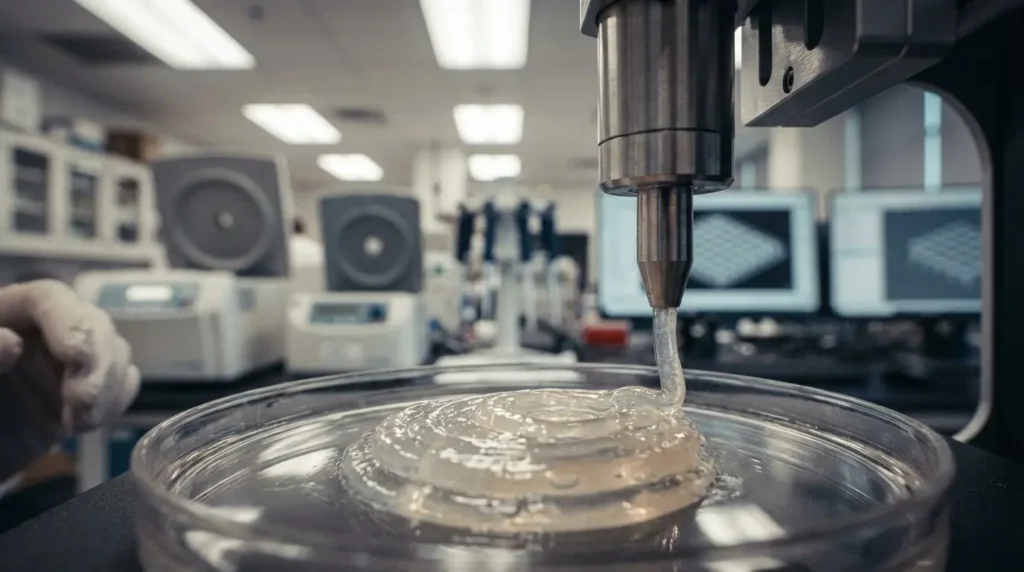
Scientists use techniques to print living tissues. Each method works in a way and is chosen based on the type of tissue needed, the level of precision required and the cost involved.
1. Inkjet Bioprinting
Inkjet bioprinting works similarly to a normal inkjet printer that prints documents. However, by using regular ink it sprays tiny droplets of bio-ink, which contains living cells.
The printer precisely places these droplets layer by layer to build tissue structures. This method is fast, affordable and suitable for printing tissues. However it may not be ideal for more complex tissues because controlling cell placement can be challenging.
Best for: tissue structures and research experiments.
2. Extrusion-Based Bioprinting
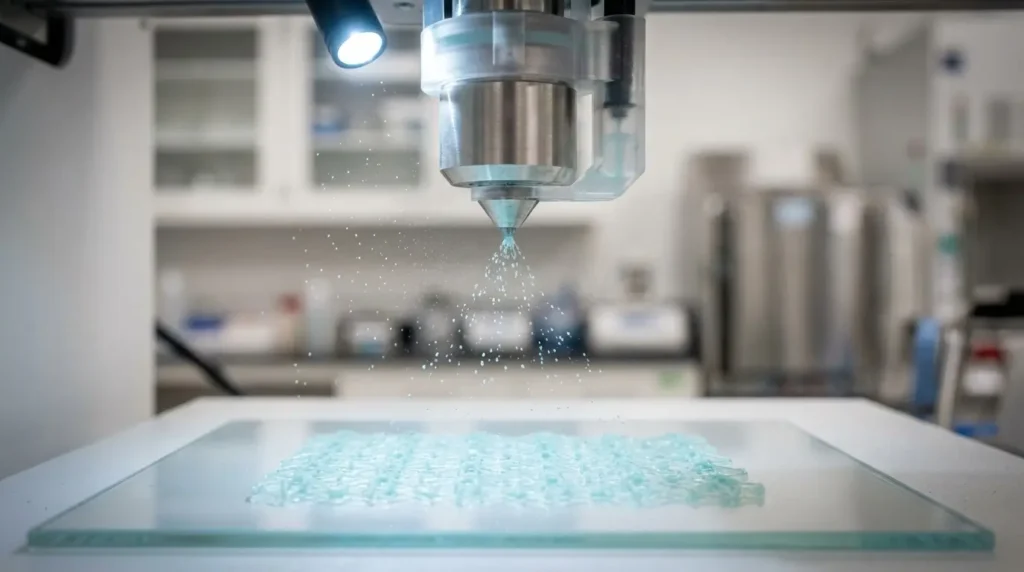
Extrusion-based bioprinting is one of the widely used techniques. In this method bio-ink is continuously pushed out through a tube, similar to squeezing toothpaste from a tube.
This allows the printer to produce stable 3D structures layer by layer. It can handle bio-inks and print larger tissue structures compared to inkjet printing.
Although it is slightly slower it is highly versatile and commonly used in tissue engineering and regenerative medicine research.
Best for: Printing more complex tissue structures.
3. Laser-Assisted Bioprinting
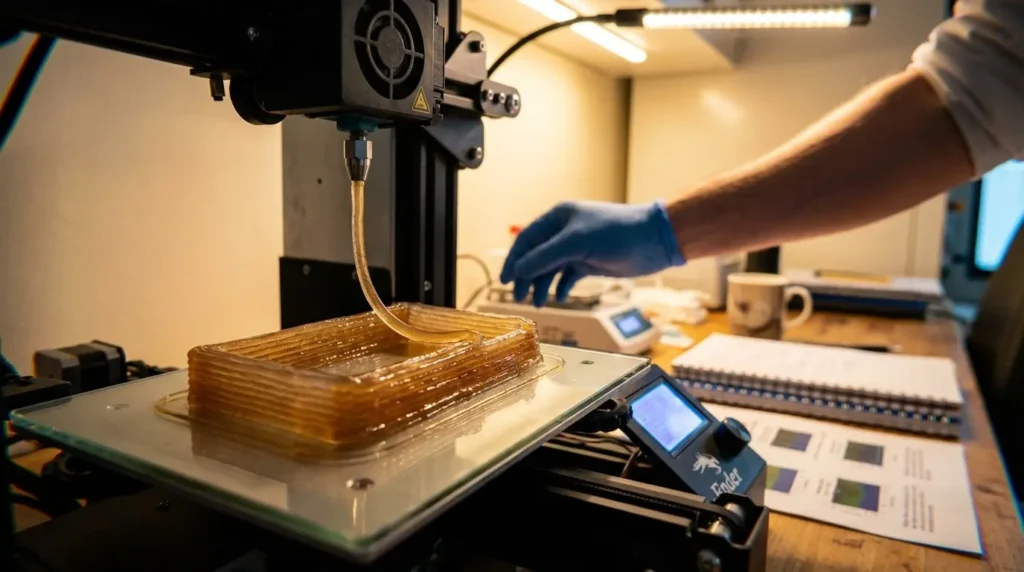
Laser-assisted bioprinting is an advanced and precise technique. It uses laser energy to transfer amounts of bio-ink onto a surface without direct contact.
Because there is no nozzle involved there is risk of clogging and the placement of cells is extremely accurate. This method allows scientists to control the position of cells precisely.
However the equipment is expensive. Requires advanced technical expertise.
Best for: High-precision tissue printing and detailed research applications.
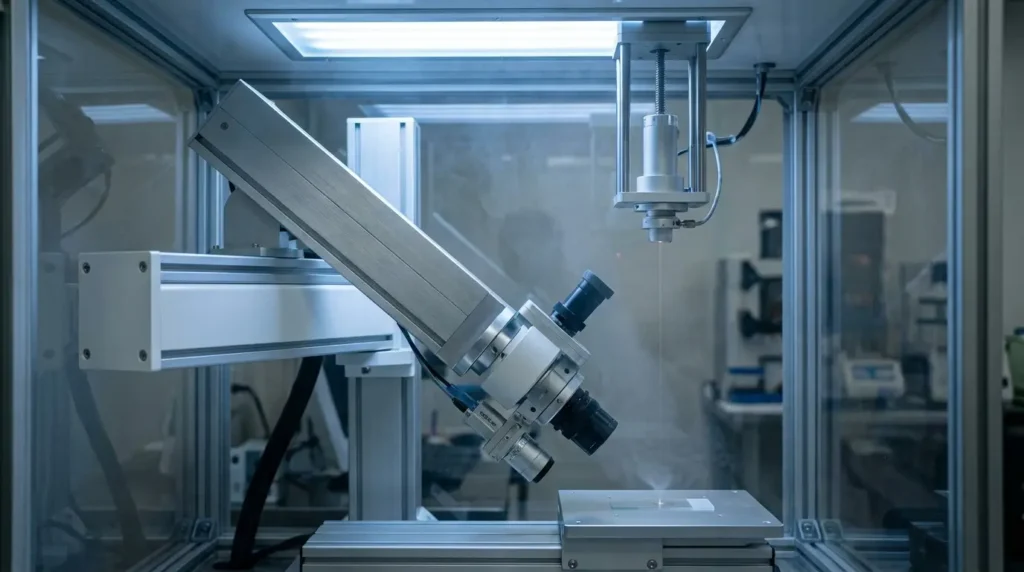
Each of these technologies plays a role in the development of 3D bioprinting.
Materials used in 3D bioprinting
The success of 3D bioprinting depends on the materials used. The important ones are:
Bio-ink: Bio-ink is a mixture of living cells and natural materials that support cell growth.
Living cells: These can be stem cells or specific cells taken from a patient’s body.
Biomaterials and scaffolds: Scaffolds act like a support structure that helps cells grow in the shape. They slowly dissolve as the tissue develops.
Using the patient’s cells also reduces the risk of rejection by the immune system.
Step-by-Step Process of how 3D Bioprinting Works
3D bioprinting’s a carefully controlled process that happens in four main stages. Each step is important to make sure the printed tissue develops properly.
Step 1: Designing the Model
Doctors first use CT scans or MRI scans to create a 3D digital model of the tissue or organ. This model acts as a blueprint for the printer.
Step 2: Preparing the Bio-ink
Scientists prepare bio-ink by mixing living cells with materials like hydrogels. This mixture helps cells stay in place and grow after printing.
Step 3: Printing the Structure
The bioprinter deposits the -ink layer by layer according to the digital design. The process must be precise to protect the living cells.
Step 4: Maturation
After printing the structure is placed in a bioreactor. Here it receives nutrients and oxygen so the cells can grow and form tissue.
Each stage requires accuracy and a controlled environment to ensure tissue development.
Application of 3D Bioprinting
3D bioprinting is already creating impact in medicine and research. While it is still developing it is being used in important areas.
Tissue Engineering
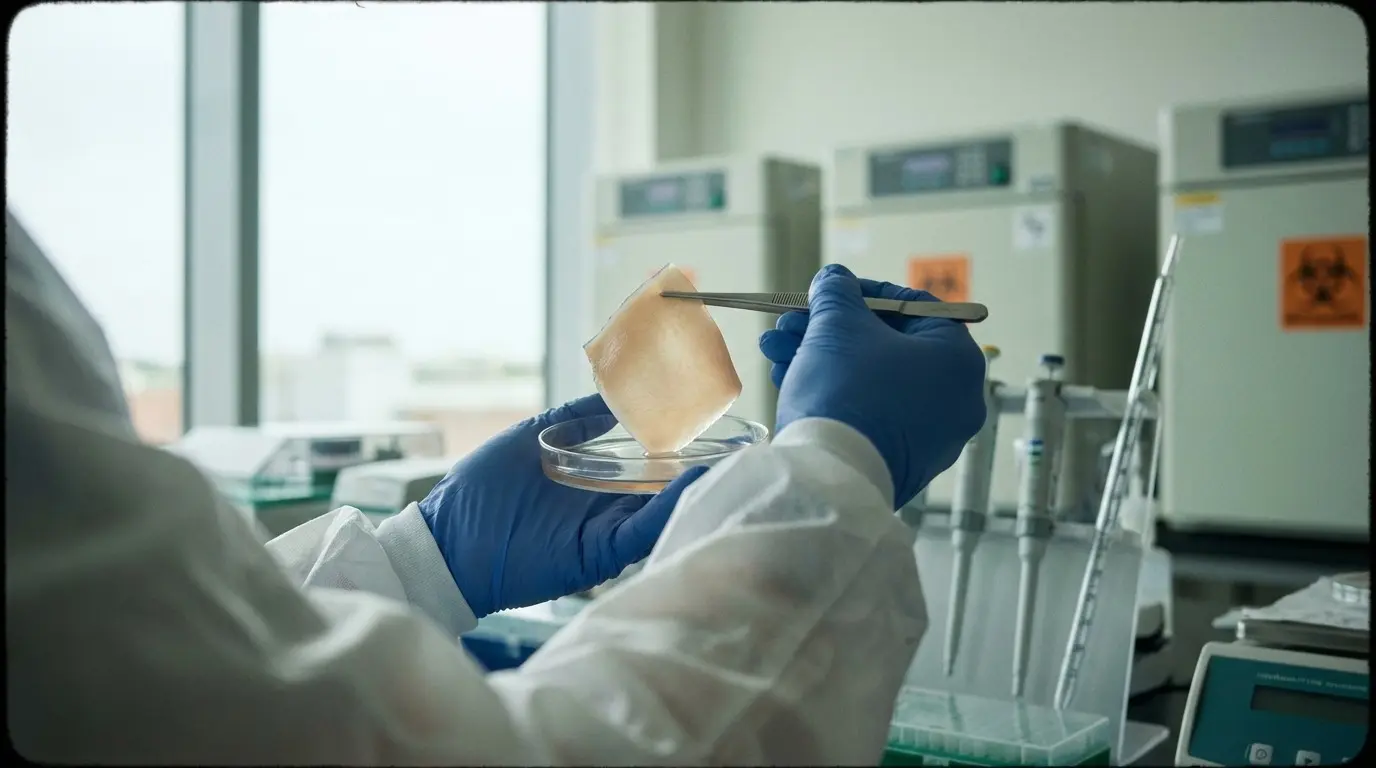
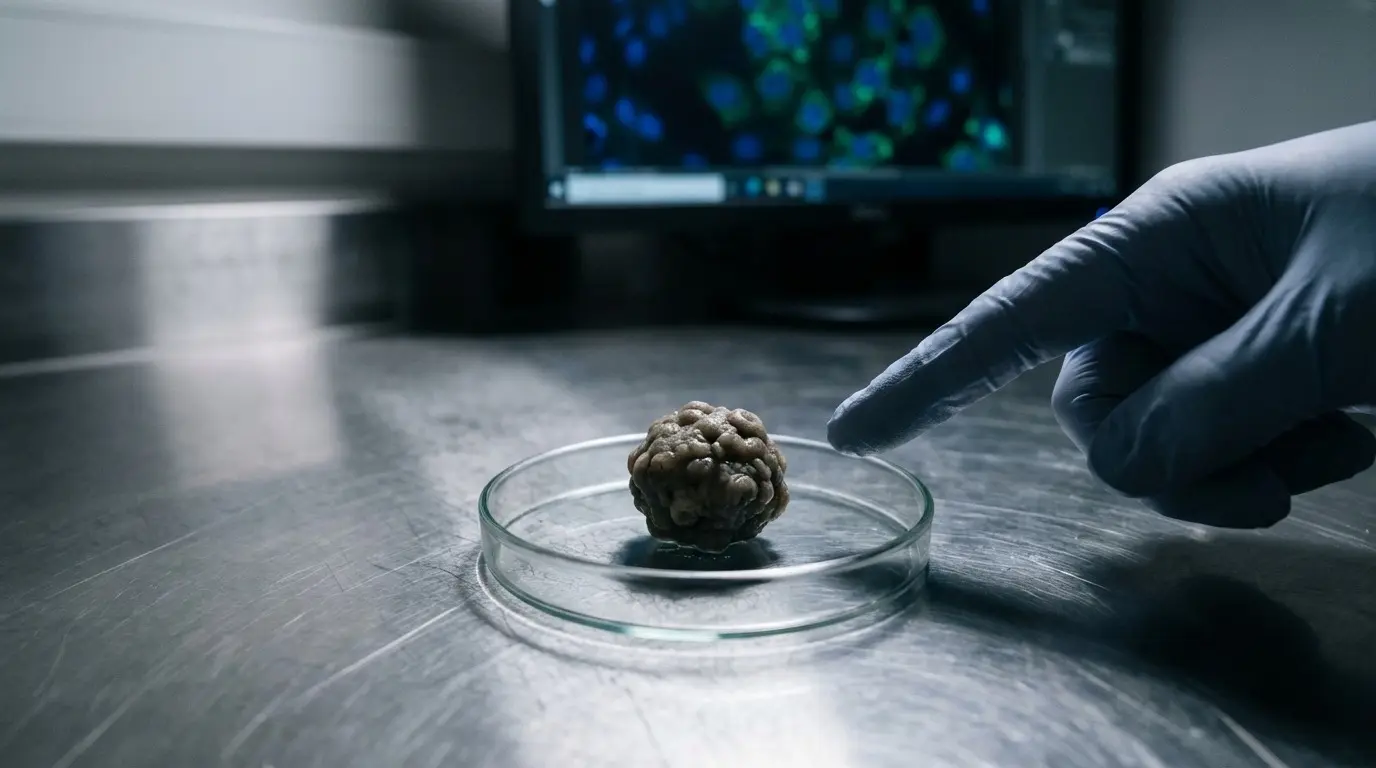
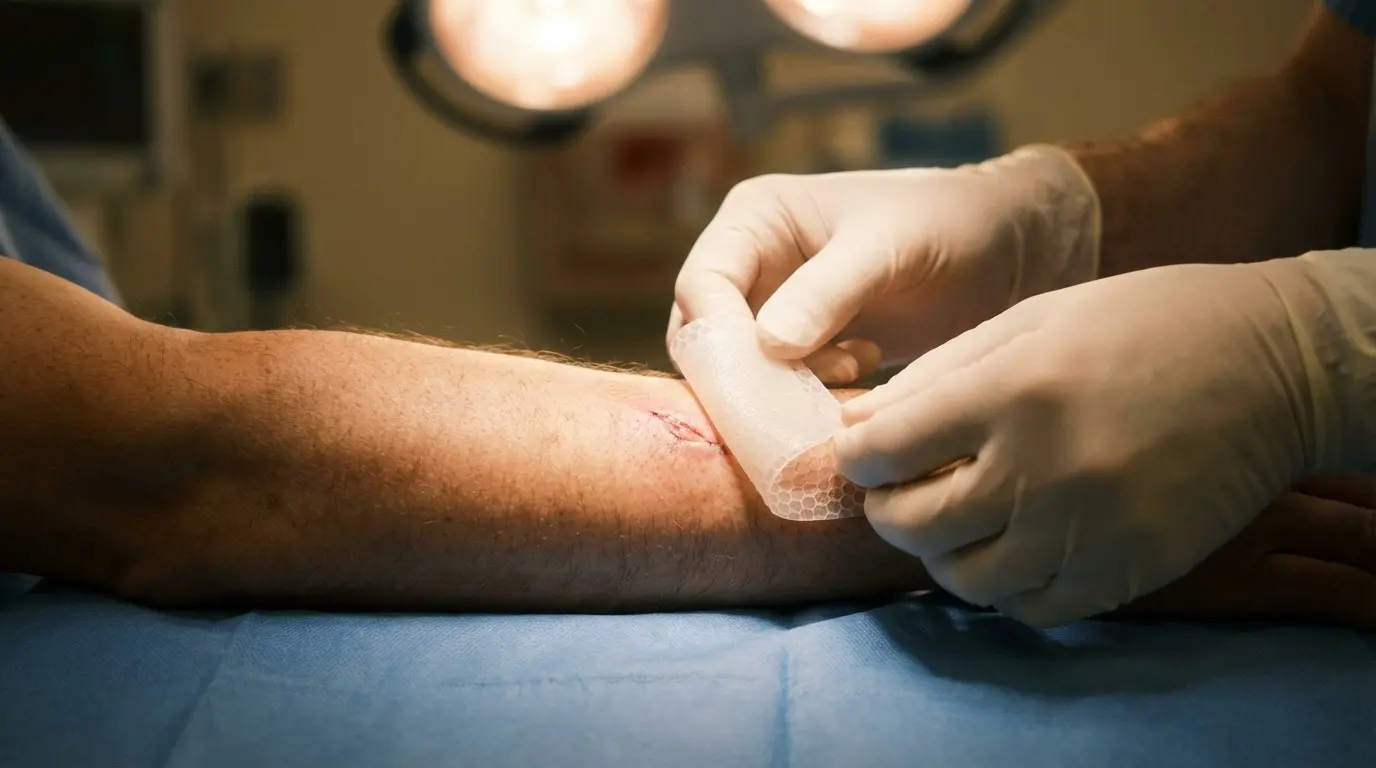
Scientists can print tissues like skin, cartilage and even bone. These printed tissues can help treat burn victims, repair injuries and support surgeries.
Organ Transplant Research
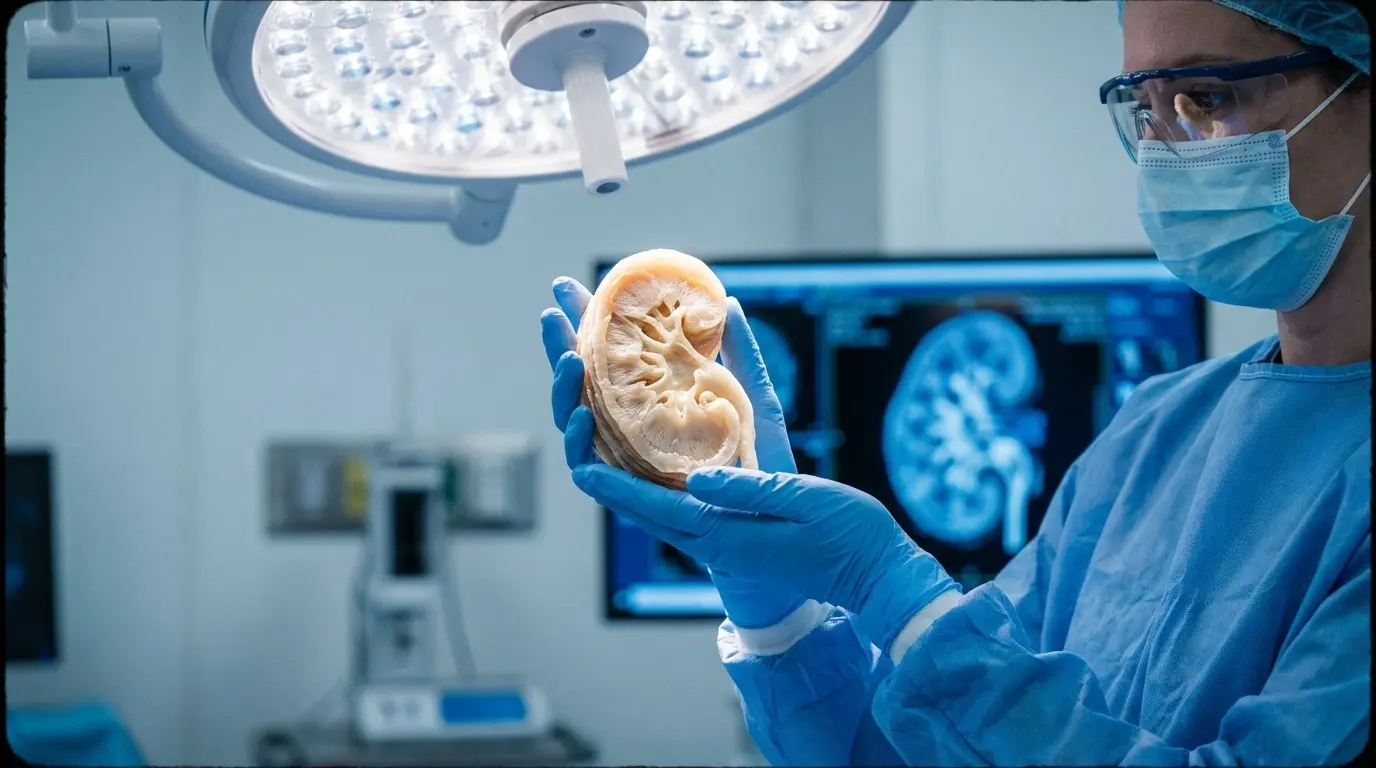
Researchers are working towards printing organs such as kidneys, liver tissues and heart structures. Although functional organs are not yet common this research could one day reduce transplant waiting lists.
Drug Testing
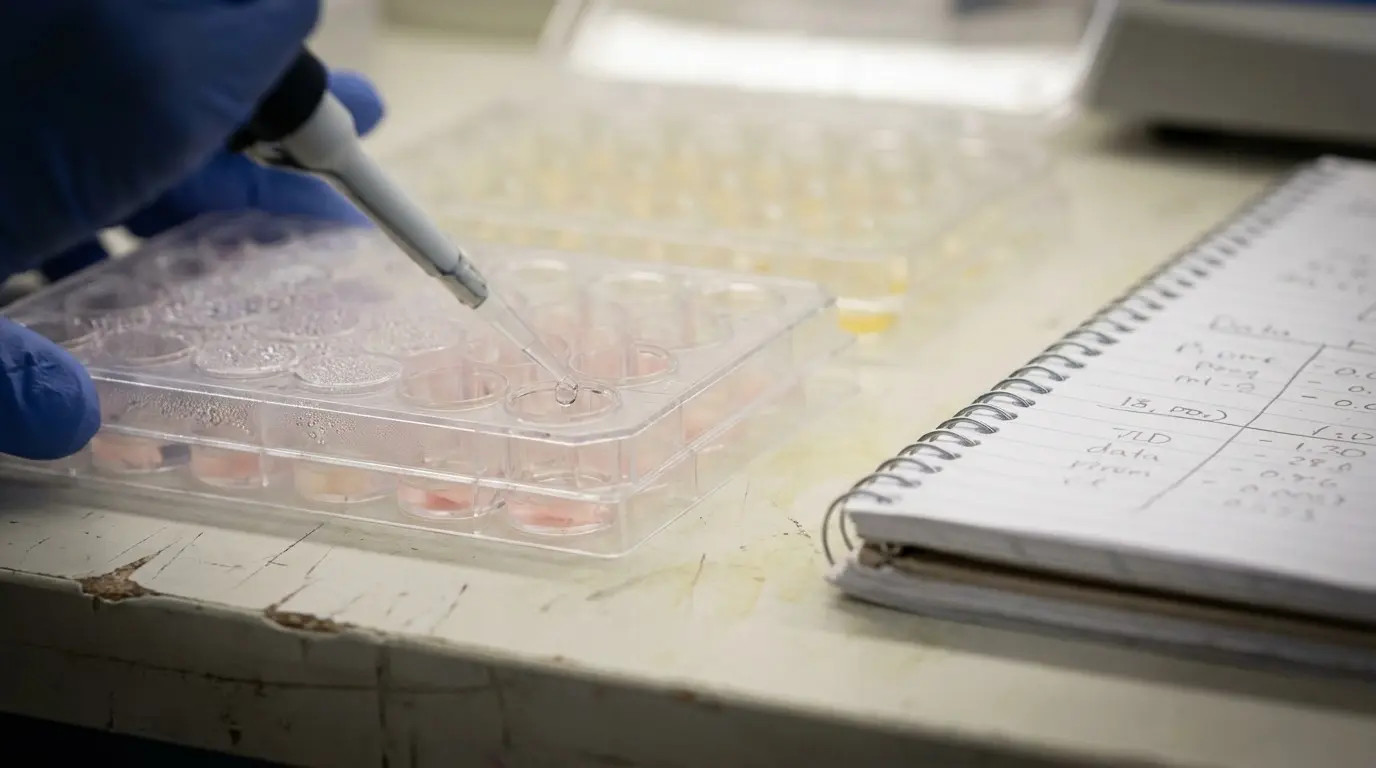
Bioprinted tissues are used to test medicines in laboratories. This helps scientists study how drugs react with cells making testing safer and reducing dependence on animal experiments.
Cancer Research
Researchers create 3D printed tumor models to better understand how cancer grows and spreads. This helps in developing effective treatments.
Regenerative Medicine
Bioprinting supports the body’s natural healing process by creating tissues that can repair or replace areas.
As technology continues to improve the applications of 3D bioprinting are expected to grow further in the future.
Challenges of 3D Bioprinting
Even though 3D bioprinting is promising it still faces challenges:
* Vascularization: One major problem is creating blood vessels inside printed tissues. Without blood supply cells cannot survive for long.
* High Cost: Bioprinters and materials are expensive which limits use.
* Ethical Concerns: Printing human tissues raises legal questions that need careful consideration.
* Technical Limitations: Printing complex functional organs is still extremely difficult. Scientists are actively working to overcome these challenges.
What comes next in 3D Bioprinting
The future of 3D bioprinting looks very promising. Researchers believe that in the coming decades we may see:
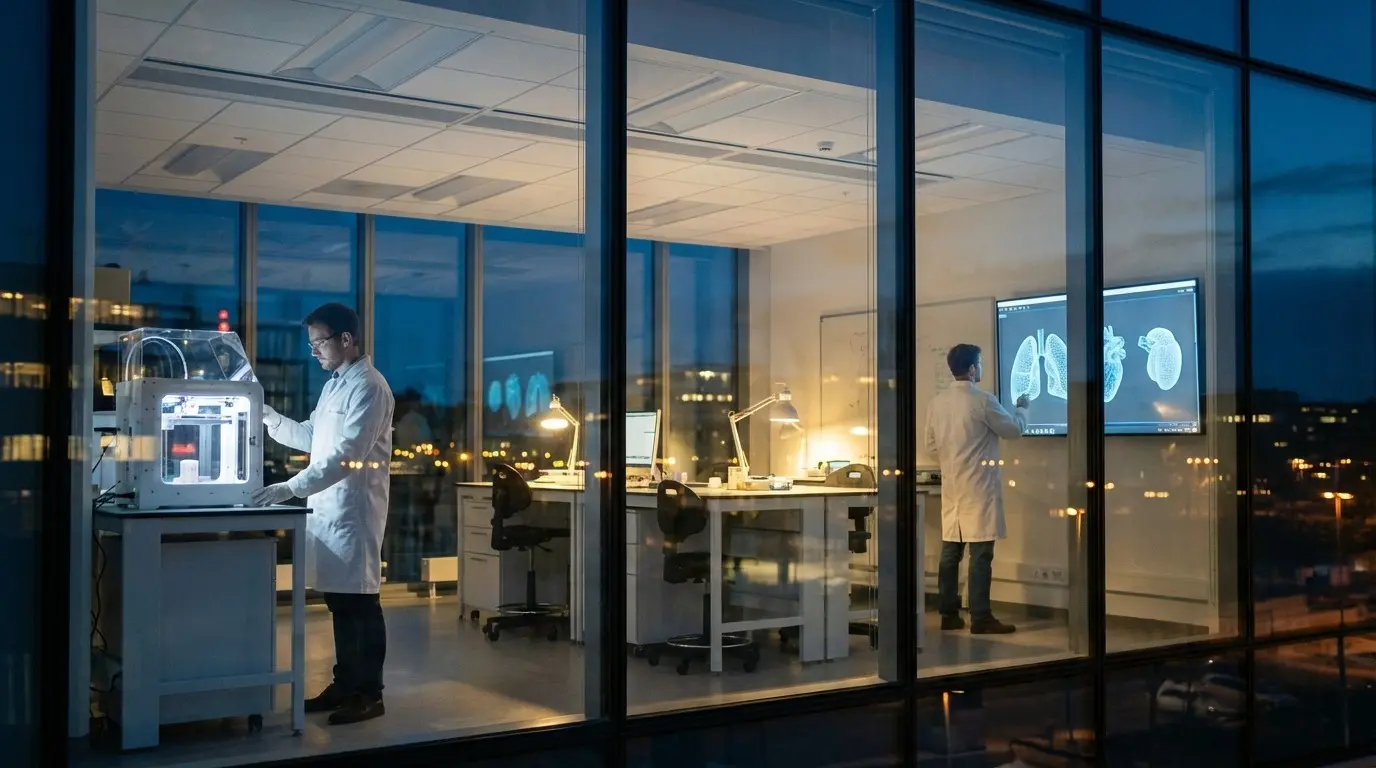
- Individualized organs printed using a patient’s cells
- Reduced organ transplant waiting lists
- Faster drug development
- Bioprinting experiments in space
- More affordable educational tools for students
As technology improves the gap between science fiction and medical reality continues to shrink.
Frequently Asked Questions:
1. What’s Bioprinting?
3D bioprinting is a technology that uses living cells and special materials to print tissues layer by layer. It works like a printer but instead of plastic it uses bio-ink made of cells.
2. In which fields is 3D bioprinting used?
3D bioprinting’s used in medicine, biotechnology and research. It helps in tissue engineering, drug testing, cancer studies and organ transplant research.
3. Can 3D bioprinting print human organs?
Scientists are working on printing organs like kidneys and hearts but completely functional organs are not yet widely available. Research is still ongoing.
4. Is 3D bioprinting safe?
3D bioprinting is used in research and laboratory settings. It’s precisely controlled. Scientists test printed tissues before using them for medical purposes.
5. How can 3D bioprinting help in the future?
In the future 3D bioprinting may help reduce organ shortages, improve drug testing and support personalized treatments using a patient’s own cells.
Conclusion:
3D bioprinting is not another technological trend. It represents a step in medicine and biology. By combining engineering, biology and material science this innovation has the potential to save lives and transform healthcare.
While there are still hurdles to overcome, the progress is rapid. With research and development 3D bioprinting may one day become a reality that could help alleviate the organ shortage problem making it a thing of the past.
The concept of printing living tissues would have been considered pure science fiction a short while ago, but today, it is fast emerging as one of the most promising areas of modern science.
Sorry, the comment form is closed at this time.